
Things To Do In Melbourne 2024
Here is our 50 best things to do in Melbourne.
1. Federation Square
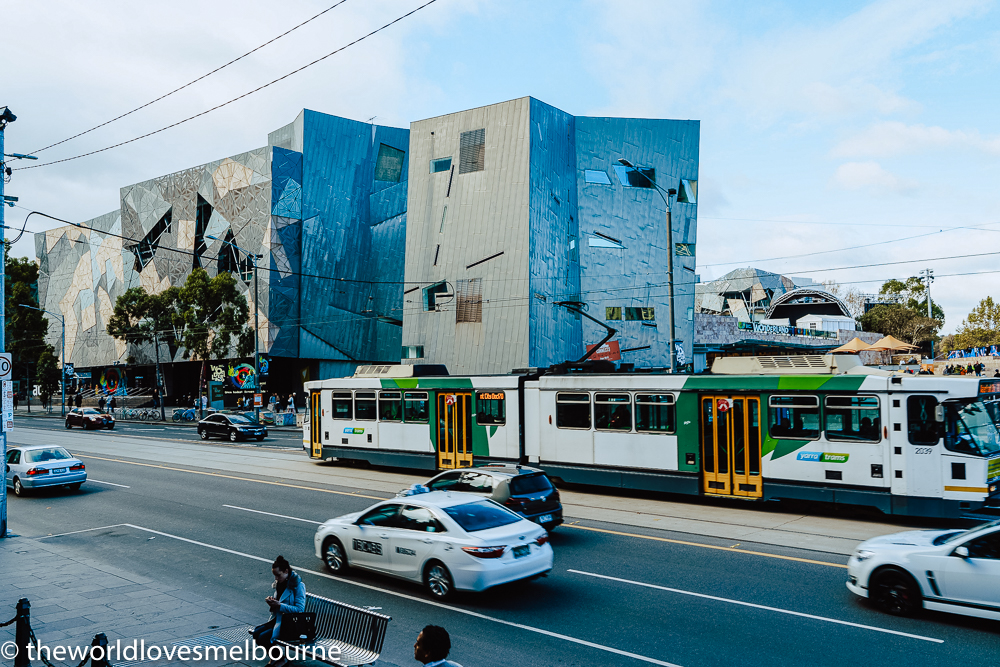
Federation Square is an artistic and creative hub of Melbourne not to be missed. It hosts over 2000 events a year! These include cultural festivals, event launches, exhibitions, performances, forums, films, concerts, and fashion shows - and most are free.
Take in the architecture of the precinct. Visit one of the cafes or eateries and enjoy the ambience of multicultural Melbourne.
Visit the galleries including Ian Potter Centre and the Australian Centre For The Moving Image, a world leading centre for experiencing the moving image in all its forms.
Enjoy the many events often held in Federation Square! Sit and watch film on the massive screen. In fact it's become a Melbourne thing to watch major sporting events on the big screen. Wander around the corner and enjoy the Yarra River. Check out the view from St Paul’s Cathedral steps – surely one of the best views in Melbourne!
Walk around the corner for a meal at Gazi, visit restaurants on Flinders Lane, or check out the restaurants on nearby Flinders Lane. Check out Flinders St Station as iconic Melbourne architecture.
2. St Kilda
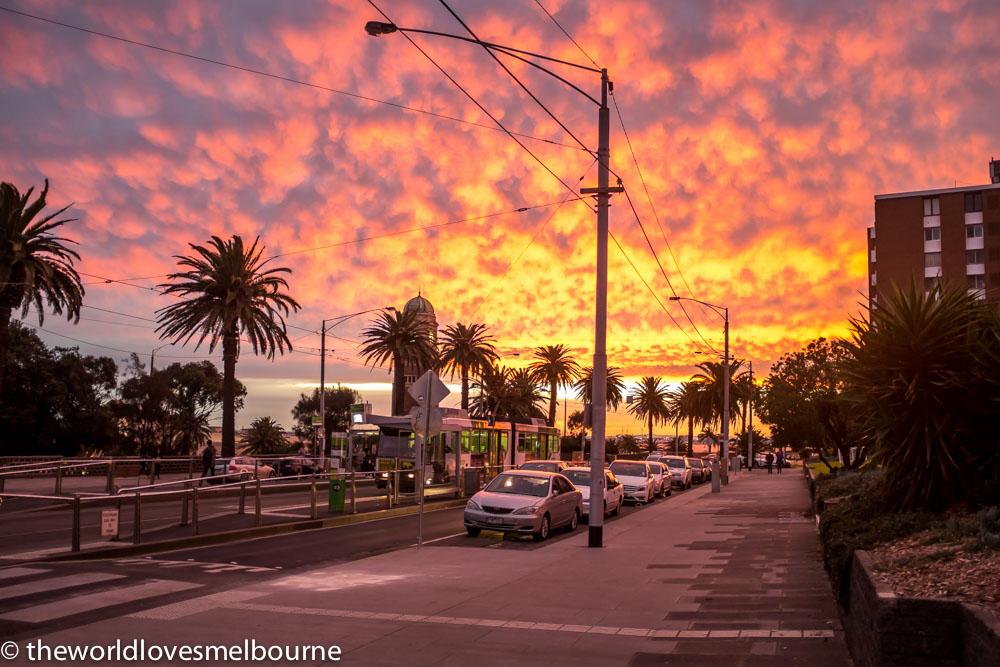
St Kilda is an eclectic place with many attractions. Check out the Esplanade (while taking in the markets on a Sunday). Stroll along the Pier and grab an ice cream.
Take in Acland Street and the fine European cake establishments. In fact many of Melbourne’s finest restaurants are in St Kilda, with many in Fitzroy and Acland Streets. Enjoy fine dining at great restaurants like Donovan's and The Stokehouse. Sit outside and take in the ambience at Cicciolina on Acland St.
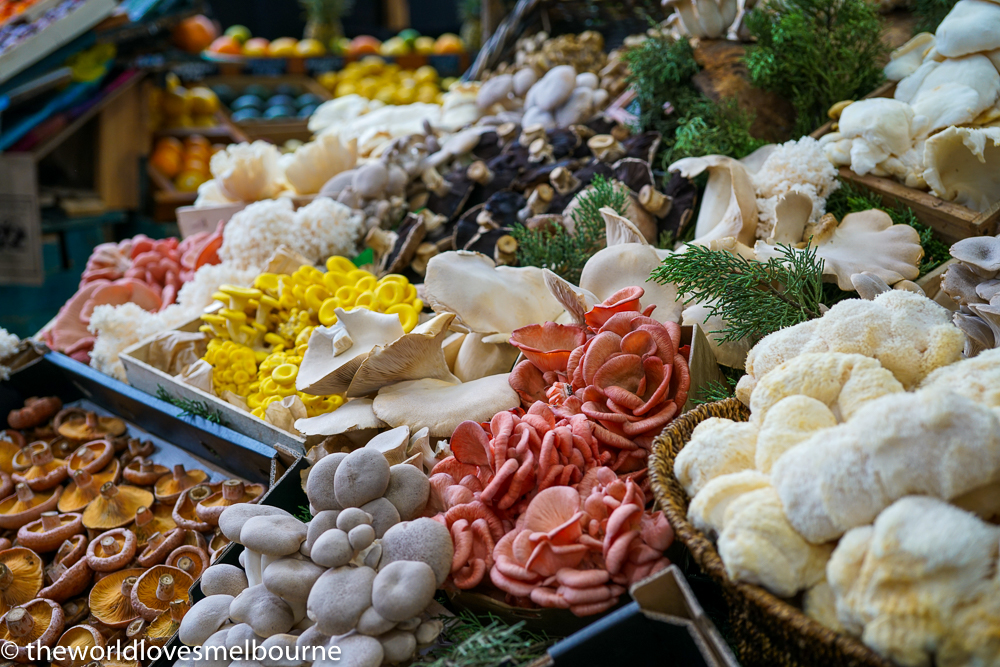
Nearby Prahran Market is world class.
Travel nearby to Chapel St with amazing shopping, op shops and restaurants and cafes. Chapel St is one of the hottest food and fashion precincts in Melbourne. It is also a popular spot for op shoppers! You can shop for about 3 km! Check out great designers here including Allanah Hill and Collette Dinnigan, not to mention Ksubi.
Another attraction is the Prahran Market open Tues - Sunday except Wednesday. Here you can grab a great coffee at Market Lane Coffee.
3. Crown Melbourne Casino
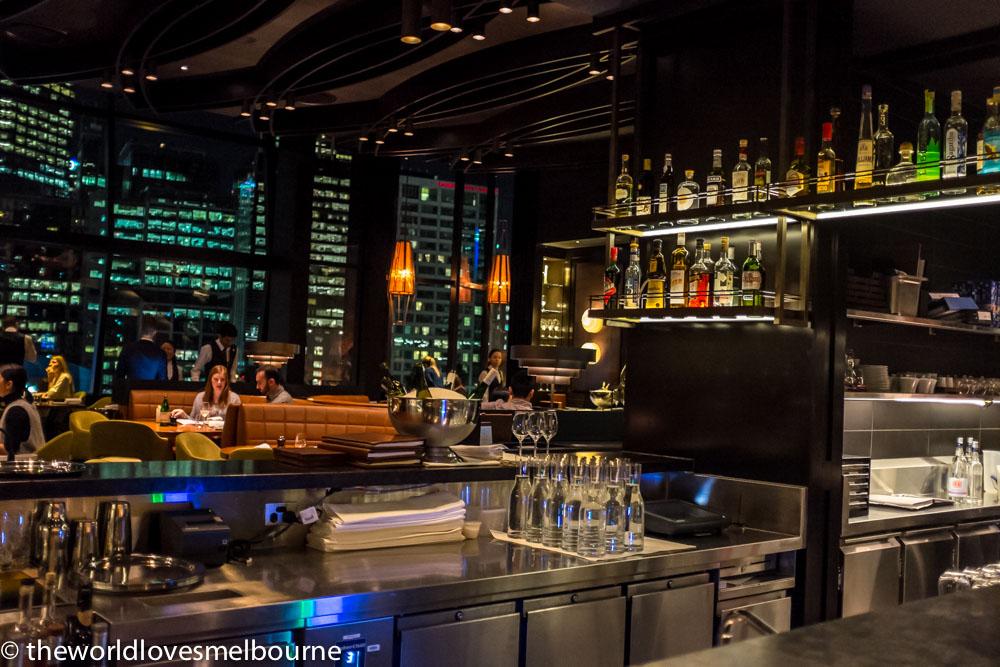
Crown Melbourne is a popular Melbourne destination and a massive massive complex! Parking is reasonable and available in the huge car parks. Along with gaming the complex offers first rate restaurants and cafes and designer shopping.
This is a great place to come for fine dining with acclaimed restaurants like Rockpool Bar and Grill, The Atlantic for seafood, Rosetta for Italian, Nobu for Japanese/Korean fusion, Bistro Guillaume and Spice Temple, to name a few!
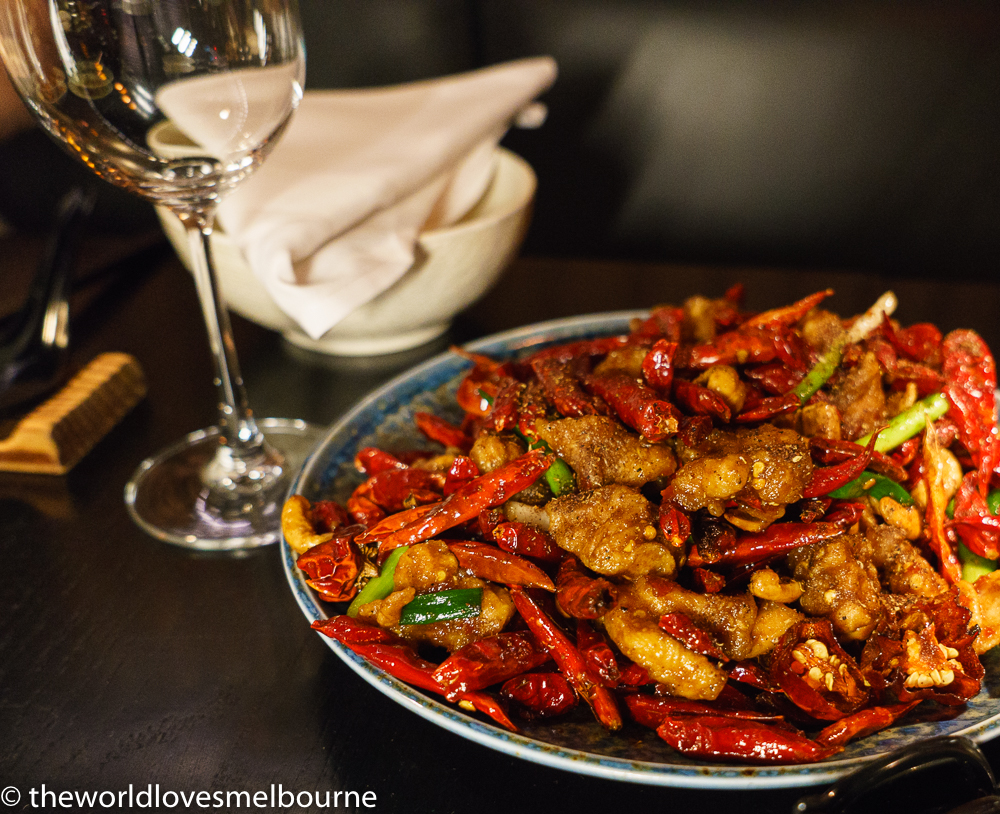
Spice it up at Spice Temple.
You find here a concentration of hatted fine dining, as well as casual eateries that are also impressive. Crown Casino is a popular destination for entertainment events. The Palladium hosts many high profile events.
Accommodation is world class with impressive rooms and suites including Crown Metropol and Crown Towers. Many of Melbourne's glamour events on the social calendar are held at Crown Casino.
4. Southgate and Arts Precinct
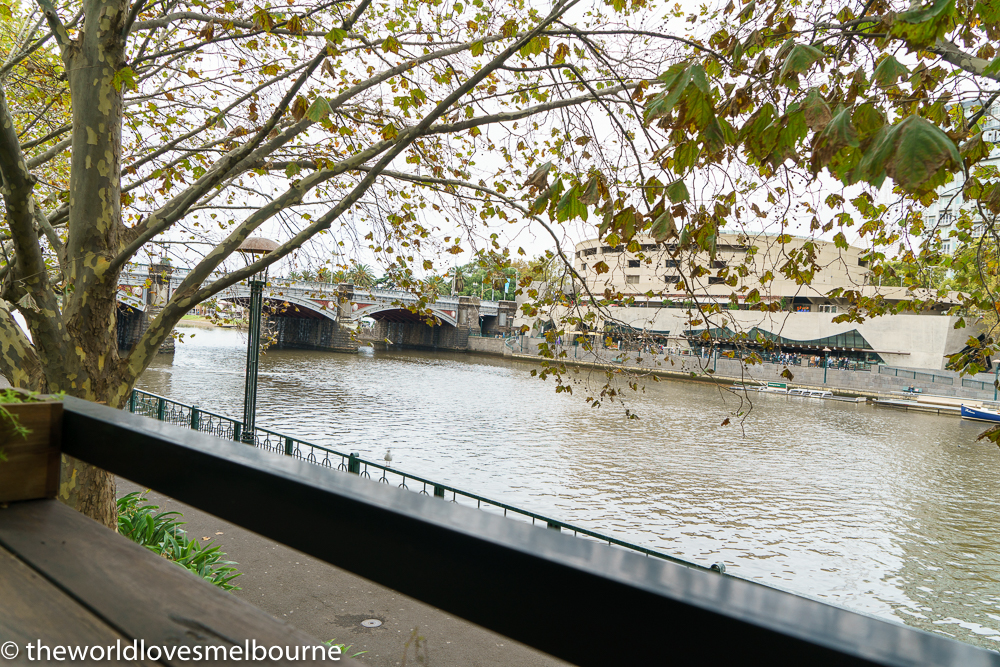
Southgate is a great precinct to enjoy the Yarra River, fine shopping and great restaurants and cafes. One can walk back and forth across the various bridges over the Yarra to enjoy a great city ambience. Stroll along the promenade in Southgate. Stop and enjoy a coffee. Enjoy fine shopping. Then step into a fine resaurant for a gourmet experience.
Southgate is also the home of the Melbourne Winter Masterpieces exhibition. Around Southgate are Arts venues such as Hamer Hall, The Arts Centre, and NGV.
Some of Melbourne's best restaurants are to be found in Southgate including Pure South, Melba Brasserie, Hophaus Bier Bar Grill, The Meat and Wine Co., Koko, Tutto Bene, Red Emperor, World Restaurant and Bar and many others.
5. Yarra Valley
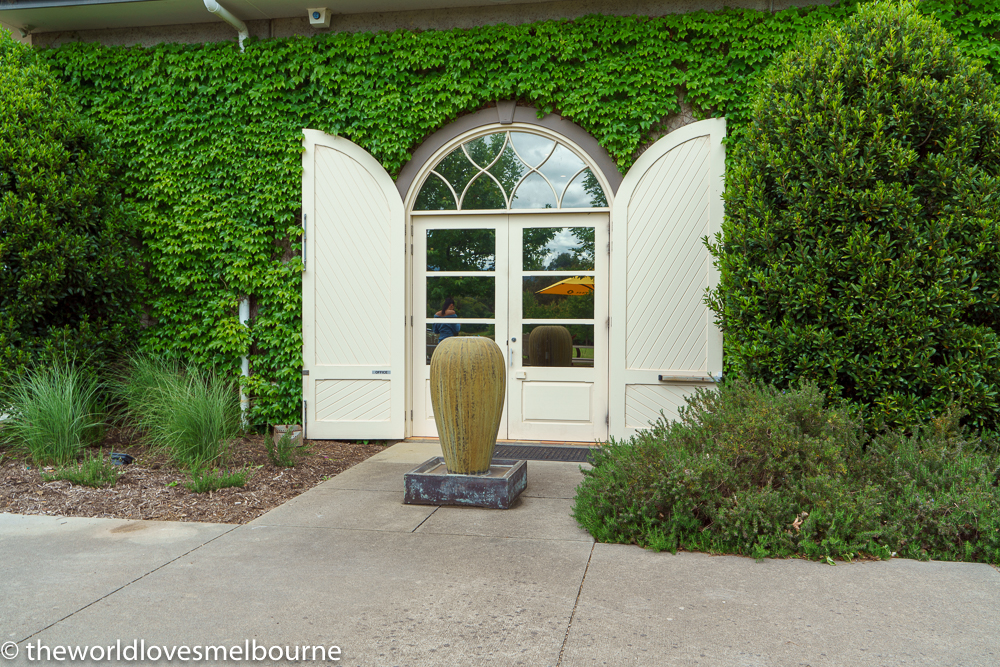
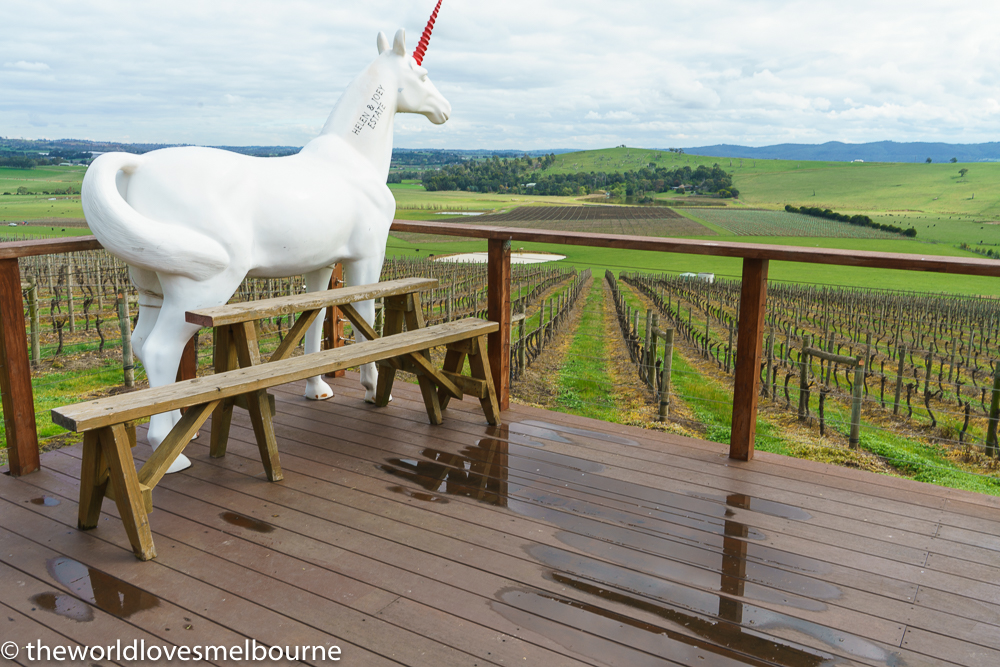
Allocate a day to spend in the glorious Yarra Valley! Just a short drive from Melbourne (under an hour) the Yarra is full of amazing lush scenery, world class wine centres, outdoor activities and great cafes and restaurants. See our Best Yarra Valley Wineries article...
Head out to Healesville and call in to Domain Chandon to see how the Moet and Chandon French connection do it in grand style! Sweeping views, spectacular grounds and facilities and excellent tours.
Then travel a short distance to Oakridge Winery and Restaurant for some of the best winery dining in Australia. You have to love a winery with spectacular views!
Check out the amazing foodie haven at Innocent Bystander in Healesville, which features amazing wood oven pizzas, wine, cheeses, gourmet breads, and the sourdough fruit bread is a killer! Sit out on the deck or in the restaurant next to the winery. Even the menu for kids is gourmet!
Head to Levantine Hill for luxe dining or Bella Vedere for some Italian fine dining. Check out Punt Road Wines along the way to the Yarra Valley Dairy – another foodie haven. Grab yourself a cheese tasting plate and enjoy the views. Head out to Yering Station, a massive and impressive winery – which also offers foodies fine dining, wine and much more.
Yarra Glen is another great stop and it's worth checking out De Bortoli winery.
6. Adventure Clues - Street Art Scavenger Hunt
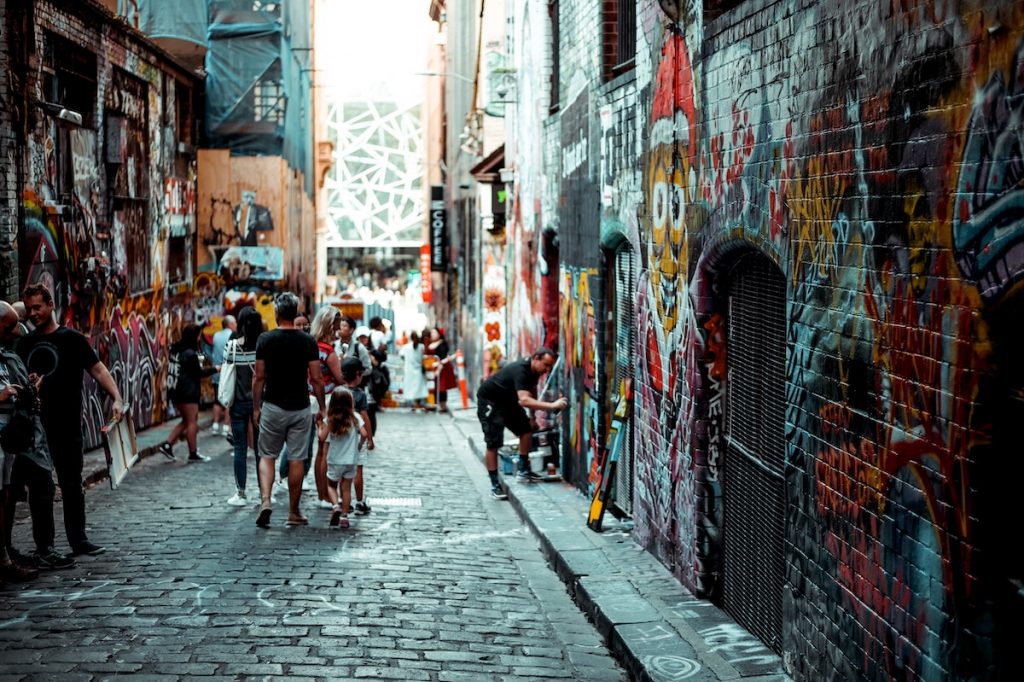
If you’re visiting Melbourne for the culture, then you won’t want to miss out on all of the amazing street art on offer. Some pieces are a little hard to find, but well worth discovering.Adventure Clues has a dedicated cryptic street art tour that leads you straight to all of the most famous pieces without wasting time. Adventure Clues tours are self-guided on your mobile and set out in scavenger hunt style, so you get to solve fun clues and learn more about each destination without the tour guide. There’s also a trail set in Fitzroy and Collingwood that leads you to hipster bars and cool locations – so there’s something for everyone here. Reasonably priced at $25 per person be sure to check Adventure Clues out if you’re looking for something fun and different.
7. Brunswick St
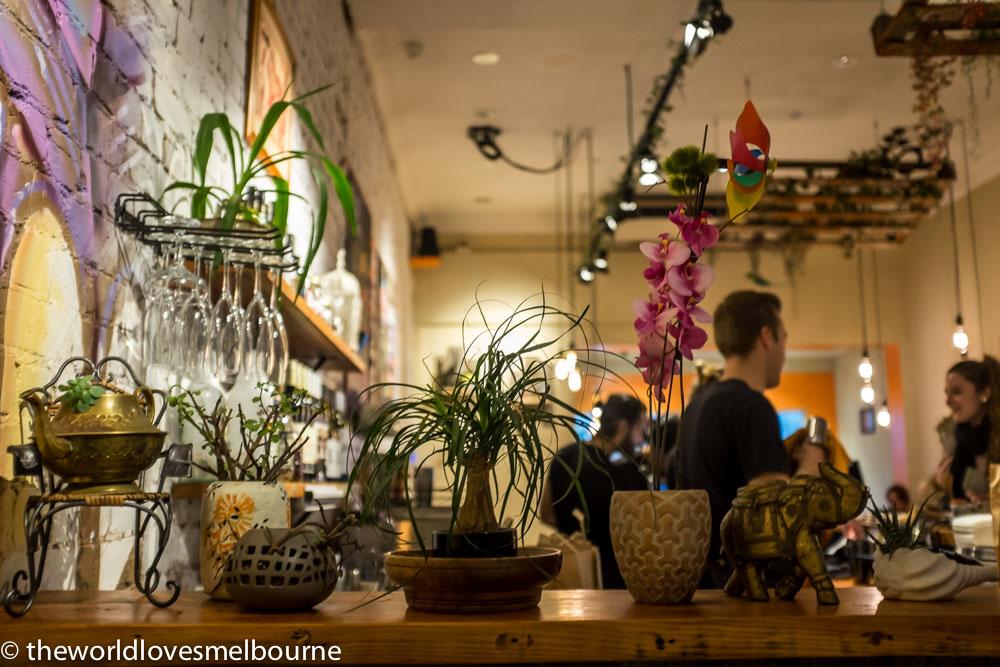
Iconic Melbourne precinct! The best thing about Brunswick St is the people. Here you will see people from all walks of life. Appreciate the social ambience even before you hit the shopping.
Take a long stroll down Brunswick St which is full of interesting and cool establishments, such as jazz, bookstores, cafes, giftware and alternative shops! This place rocks – on a recent visit here a group spent the whole day just visiting shops and cafes over only a few hundred metres!
Check out cafes like Stagger Lee's, Industry Beans (just off Brunswick St), and Madame Sousou. Not to mention internationally acclaimed bar Black Pearl, Indian eatery Mukka and vegan delight Smith & Daughters.
Brunswick St is a great place for vintage clothing. Relive the 80s! It’s also great for op shops. A popular stop are the factory outlets – get yourself some bargain Allanah Hill.
Brunswick St has been used as a location in the filming of Australian television series such as Offspring and Rush.
8. Smith St, Collingwood
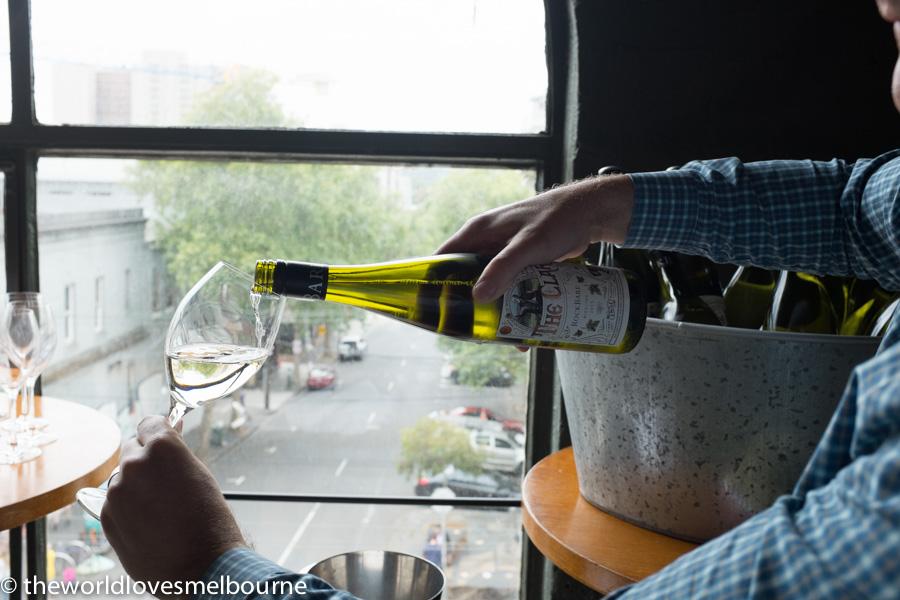
Smith St has been transformed in recent years to be a trendy precinct full of fashion, great cafes and restaurants and boutique stores.
Check out Lost and Found, an amazing second hand store with several levels of wares where treasures can be found.
A must is to take a diversion to nearby Proud Mary, one of Melbourne’s finest cafes in a renovated warehouse.
For fine dining check out Saint Crispin also a hatted sensation. Or grab a gourmet burger from Huxtaburger (one of Melbourne's best), pizza from Bontempo, and savour the vegetarian delights of Smith & Daughters and Vegie Bar.
Further down Smith St are some factory outlets including Nike and Adidas. Also cool to duck out to the Abbotsford Convent nearby and check out the architecture and cafes.
9. SEA LIFE Melbourne Aquarium
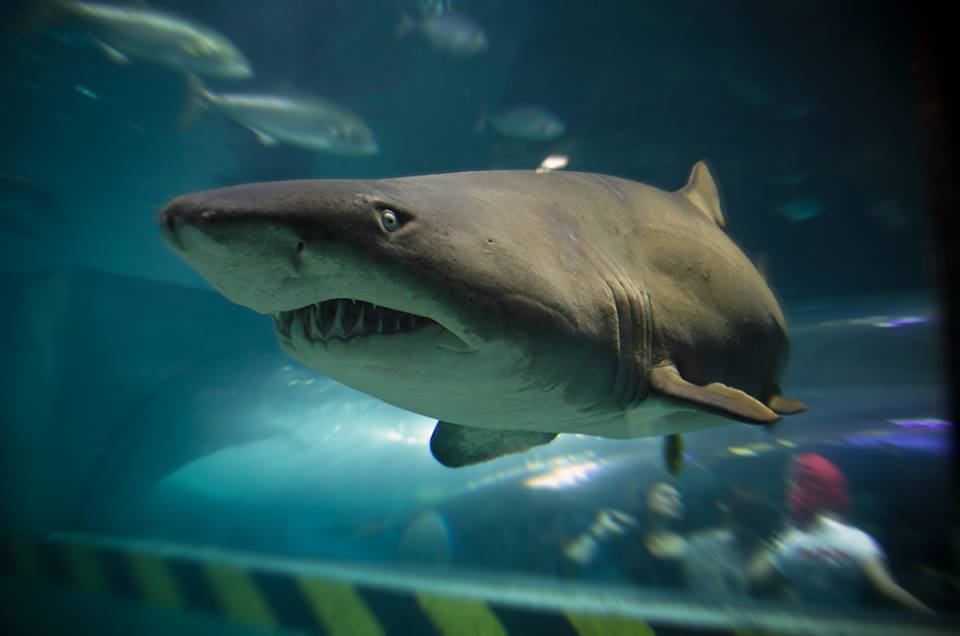
SEA LIFE Melbourne Aquarium, along the banks of the Yarra River, is one of the best loved destinations in Melbourne! It is a world class aquarium!
Not just for kids, but kids love this place! It’s easy to spend several hours here! Image: Sea Life Facebook.
A striking exhibit is the penguin display – including large King Penguins and the Gentoo Penguins. To see these animals swimming is fantastic. To watch events at feeding time is breathtaking!
Other highlights include displays such as River to Reef, Rockpool, Mangrove and Billabong. Some displays are interactive, and creatively put together!
The upstairs Deck Café is a pleasant way to enjoy refreshments along the way! The main exhibit is the large oceanarium which features sharks including the Grey Nurse! It is a magnificent exhibit and bound to enthral.
10. Bourke St Mall and Melbourne Central
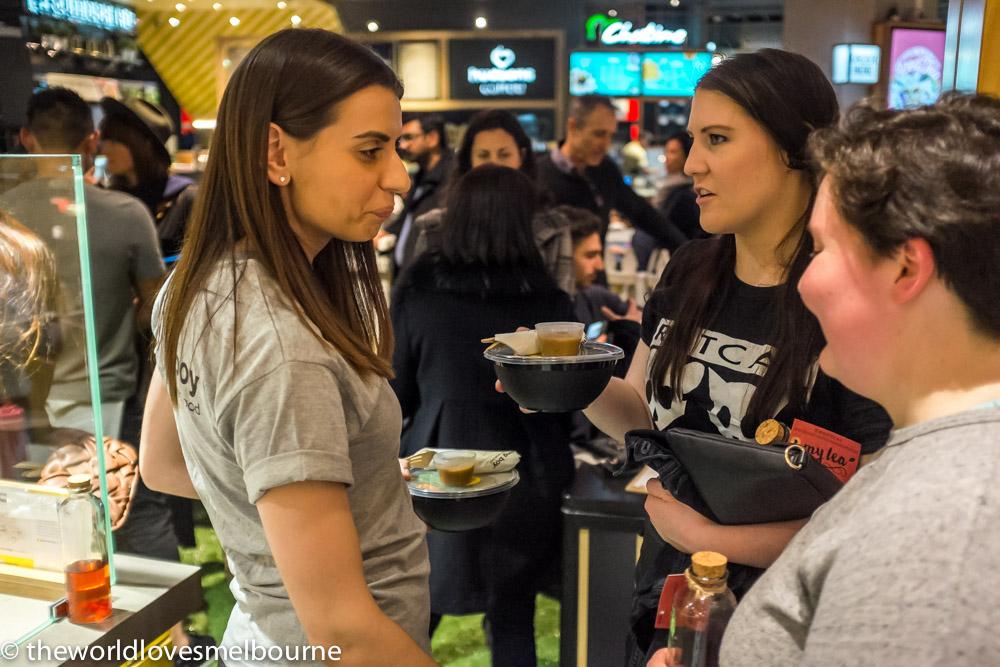
Bourke Street Mall and Melbourne Central are two of the major shopping hubs of Melbourne. Enjoy the Bourke St Mall - a bustling and attractive precinct. Plenty of designer brands here including popular Myer and David Jones and overseas retailers like Zara.
Bourke St Mall has one of the best vibes in Melbourne and at lunchtimes it is usually packed with people and eclectic. Even then you can duck into a laneway cafe and escape the throngs.
The GPO precinct along Bourke St showcases some great upmarket shopping and houses the iconic Federal Coffee Palace. There is also great coffee nearby in Little Bourke St and surrounding laneways.
Melbourne Central is only a short distance away and offers a great shopping and dining experience. Once again there is great parking, especially if you can score an early bird park. Not only that you can travel down to the train station with lines out to most of Melbourne – so convenient! So many shops. So many eateries. And a big clock!
11. City Circle Tram / Free City Trams
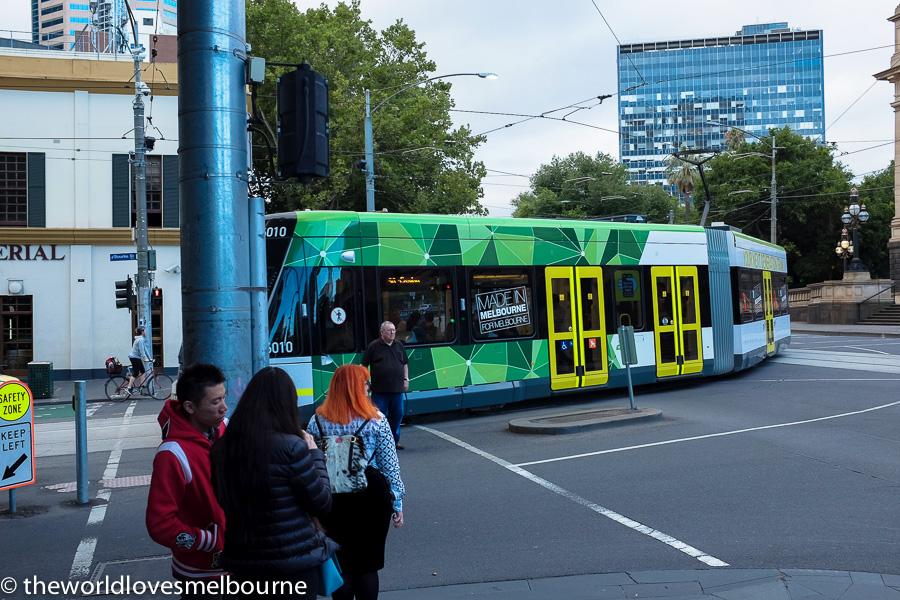
The City Circle Tram is a great free service that is an outstanding way to see and move around the city. It's one of the great attractions of the CBD. For a start these trams are historical themselves and exude a charm. They travel around the CBD and take in some great views of Melbourne. You can get on and travel a couple of stops then get back on again later.
The City Circle Tram enables you to visit some of Melbourne's best known attractions including Old Melbourne Jail, the Melbourne Acquarium, Parliament House, Federation Square, the Immigration Museum and Marvel Stadium.
The City Circle Tram runs every 12 minutes between 10am and 6pm on Sunday to Wednesday and between 10am and 9pm every Thursday, Friday and Saturday (except Good Friday and Christmas Day).
12. Melbourne Zoo
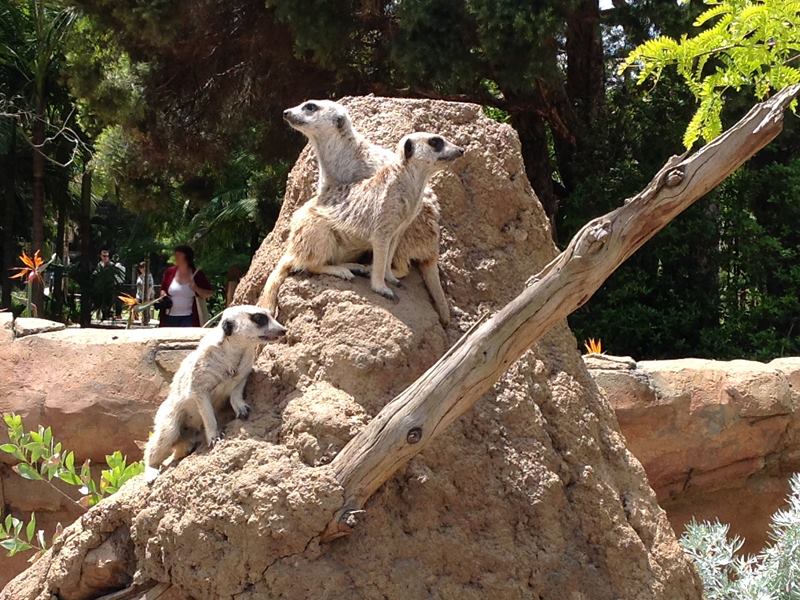
Melbourne Zoo is a world class Zoo and an exciting place to visit! It’s also Australia’s oldest zoo. It's easy to spend several hours there wandering around the various precincts. Upon arrival grab a map of the zoo then plan your visit. There are regular feeding times and other attractions.
You can appreciate 320 species at the Melbourne Zoo and enjoy several hours of fascination and excitement! A highlight is the Butterfly House – a tropical enclosure full of butterflies that fly all around you and some may settle on you! There has been a move for kids for free on weekends. Image: Melbourne Zoo Facebook
13. Rod Laver Arena
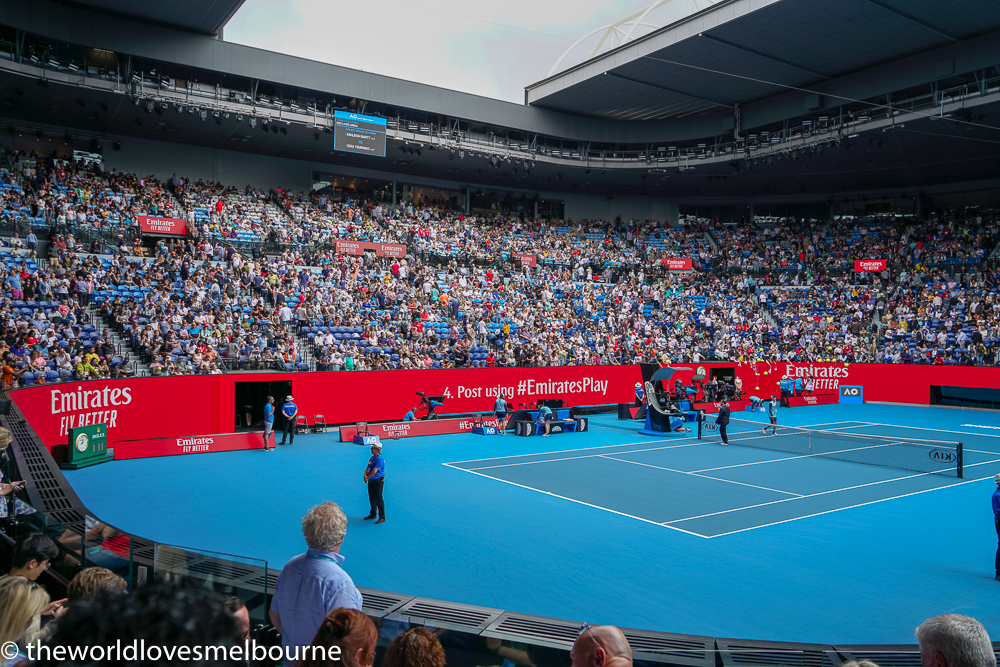
One of the best complexes in Australia! Popular for sporting events like The Australian Open as well as for concerts and large events! Arrange to attend an event here or go on a tour! Check out the tournament control room, players change room, inside the arena, the superbox, the Davis Cup room and Media Theatrette.
Rod Laver Arena really comes alive in January during the Australian Open Tennis Tournament. The event is one of the hottest on the international sporting calendar and tickets sell out fast.
14. Great Ocean Road
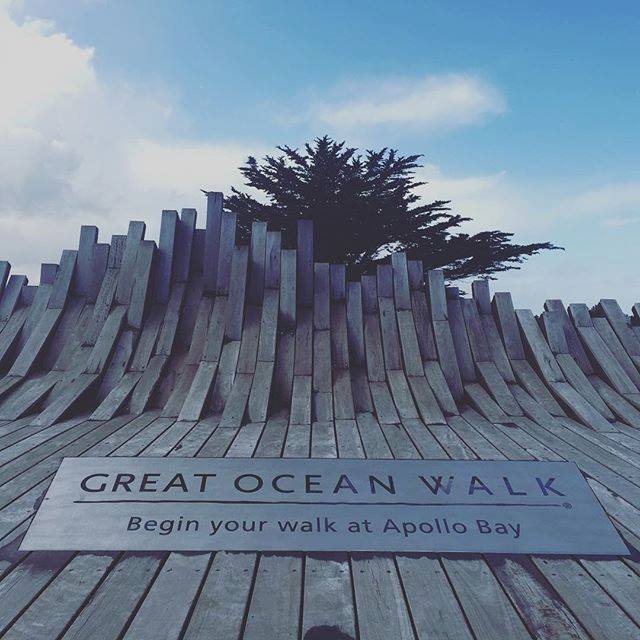
Within striking distance of Melbourne the Great Ocean Road is another fantastic day trip! You can wind your way through some legendary town and stop at some great beaches, such as Bells Beach (famous for pro surfing) and Torquay. Image: Visit Great Ocean Road Facebook.
15. Phillip Island
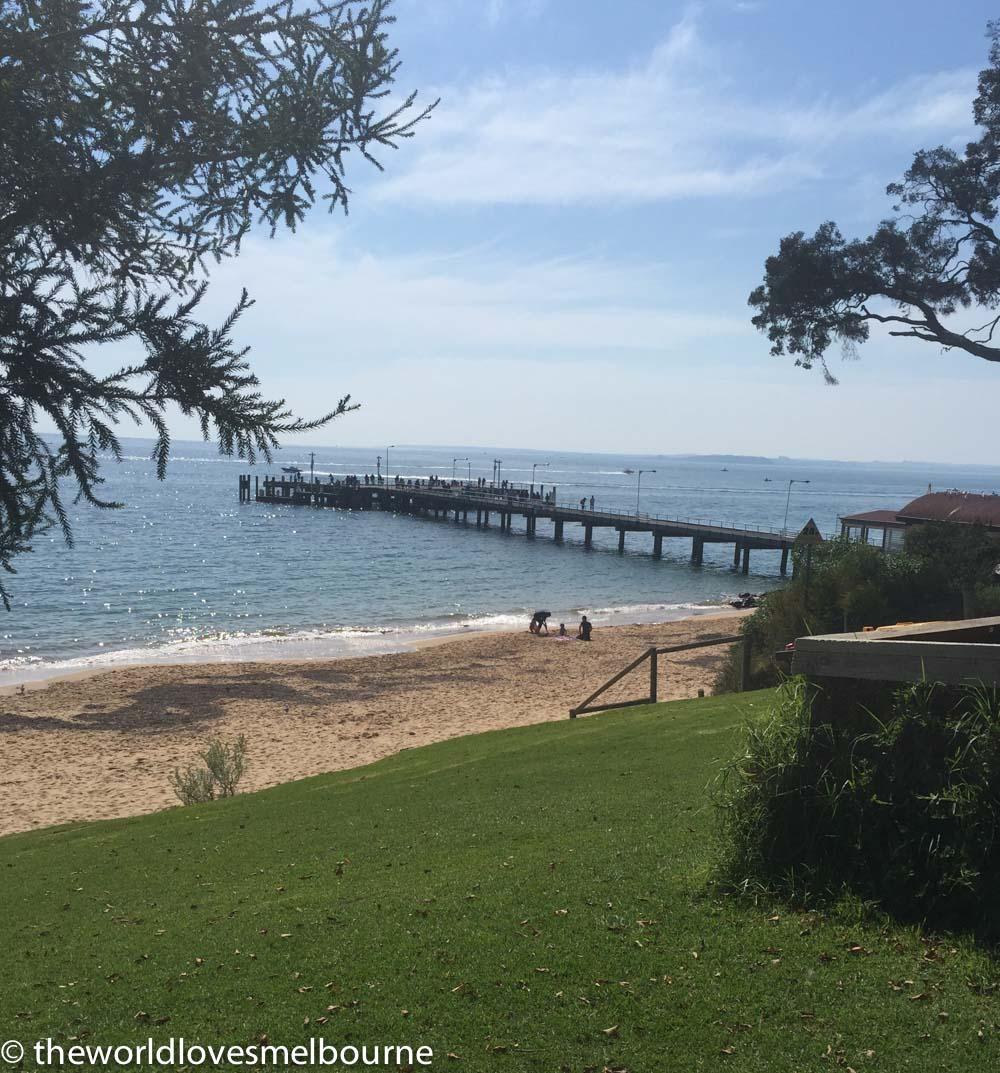
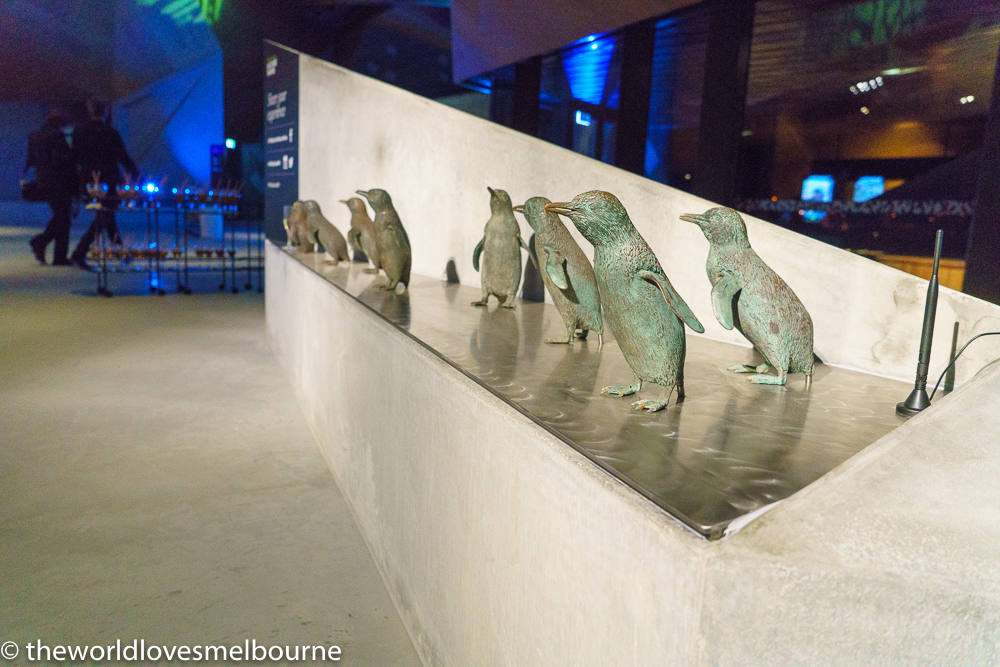
A real favourite is Phillip Island! Known for its amazing Penguin Parade Visitor Centre and racing with the Moto GP every year, there is plenty to offer on the island! There are some great tourist destinations like Nobby’s which showcases some spectacular coastline. You can also enjoy the world class Penguin Parade! Some great little beaches are to be discovered. In Cowes you find great dining and shopping.
16. MCG
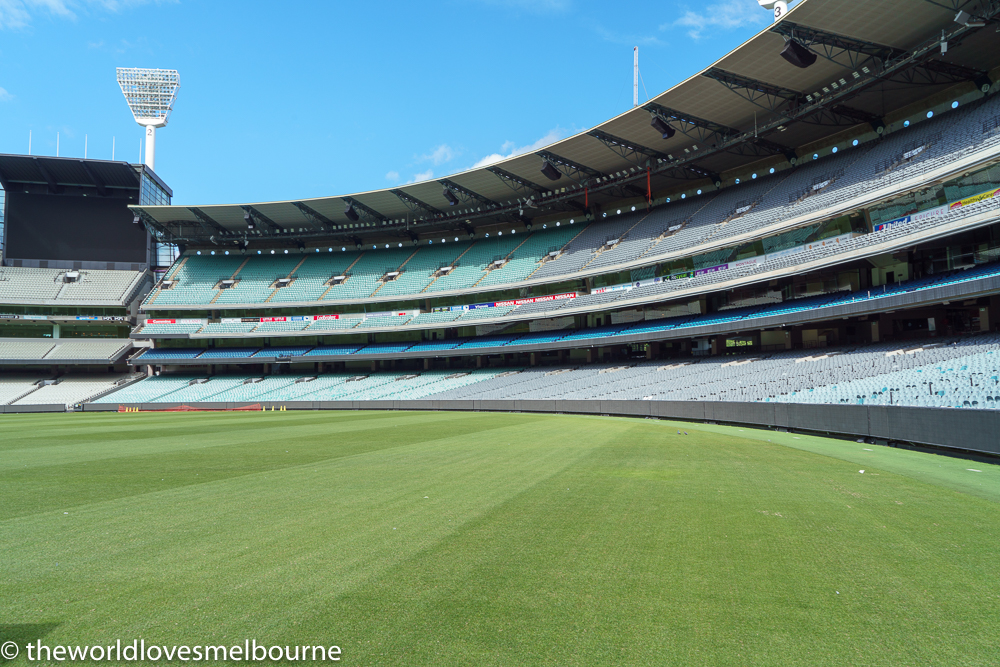
The MCG is one of the world’s most famous sporting grounds! Take in a game of local football, the AFL where the matches are fierce and the crowds enormous! Or there may be cricket on display! Excellent museum to check out. The MCG is close to the CBD and is often called the “people’s stadium”. Do the MCG Tour - highly recommended.
17. Eureka Skydeck 88
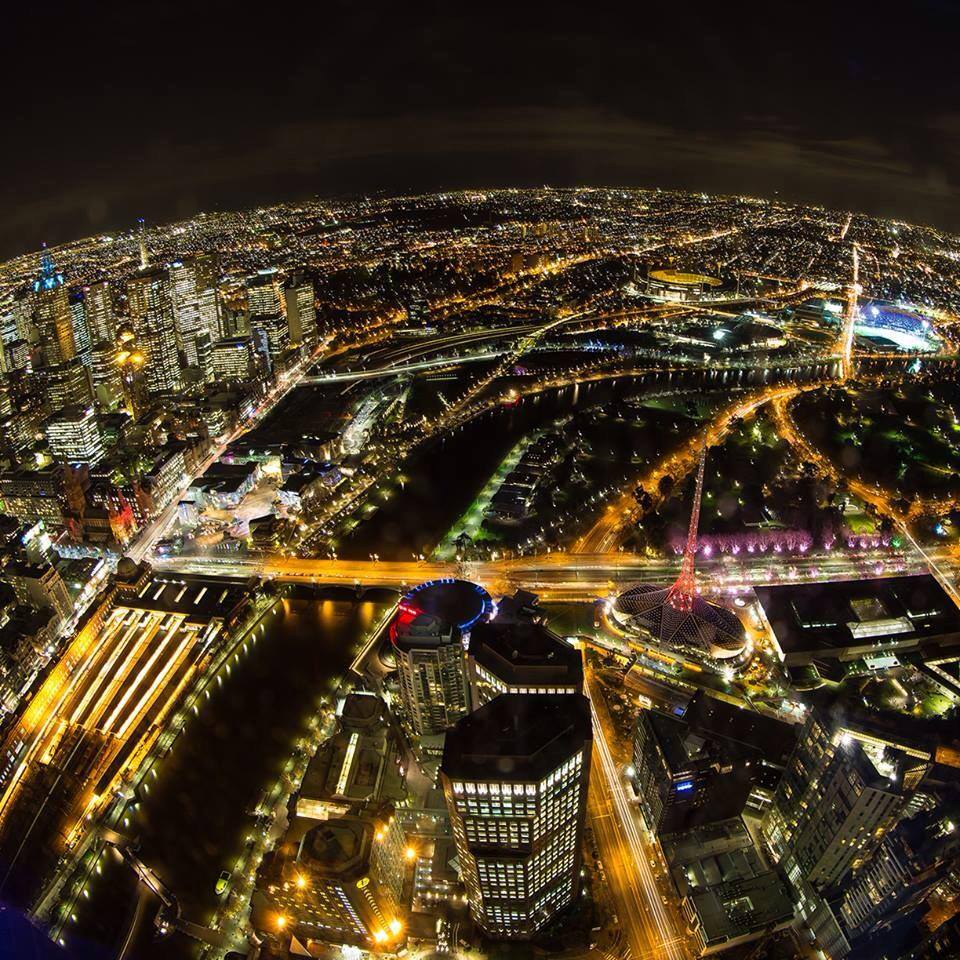
This place has the wow factor! On a good day this incredible 360 degree view on the 88th floor is incredible! See if you can point out various landmarks around the city!
Eureka Skydeck 88 has the best views of Melbourne, by day and by night. During the day you can see all the way out to the Dandenong Ranges.
There is also “The Edge”, an experience of being in a glass cube 3 metres out from the building and 300 metres suspended above the ground.
You can also step out onto “The Terrace” exposing yourself to the elements.
There are 30 viewfinders around the Skydeck floor so you can point out landmarks! See how you go! There a kid friendly heights with the viewfinders to assist kids.
It gives kids (and adults of course) a great perspective of Melbourne!Opening hours are 10am to 10pm, with Christmas Day and New Years Eve close at 5.30pm (last entry at 5pm). Image: Eureka Skydeck 88 Facebook.
http://www.eurekaskydeck.com.au/
18. Docklands
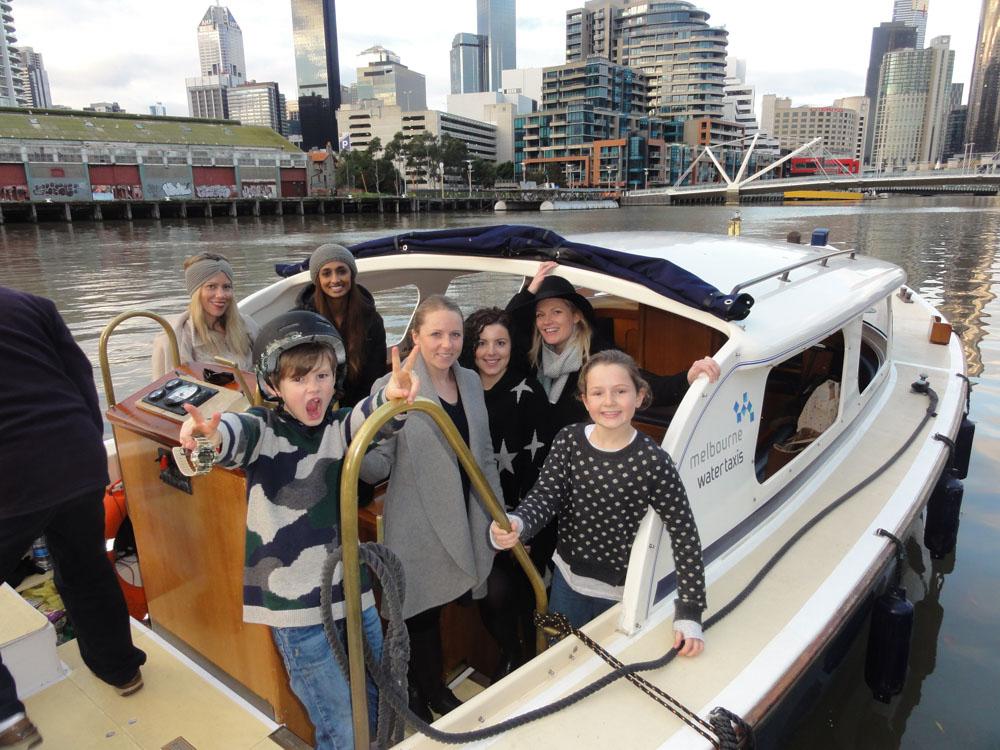
Attractions include the Melbourne Star, urban art sculptures, cool bridges, restaurants, cafes and shopping. A great place to shop and dine, including factory outlets and The District precinct. Popular restuarants include Berth, Pok Pok, Kobe Jones, Byblos and The Hoff. Check out Marvel Stadium with the roof that closes!
Harbour Town Shopping Centre is popular for discounted shopping as well as specialty shopping. It also has a place to drop off the kids to have fun while you do your shopping.
Costco is also a popular retail establishment with a massive shopping complex. Or check out the DFO South Wharf for bargains. South Wharf nearby has some great restaurants including Munich Brauhaus, BangPop, and The Boatbuilders Yard.
19. Old Melbourne Jail
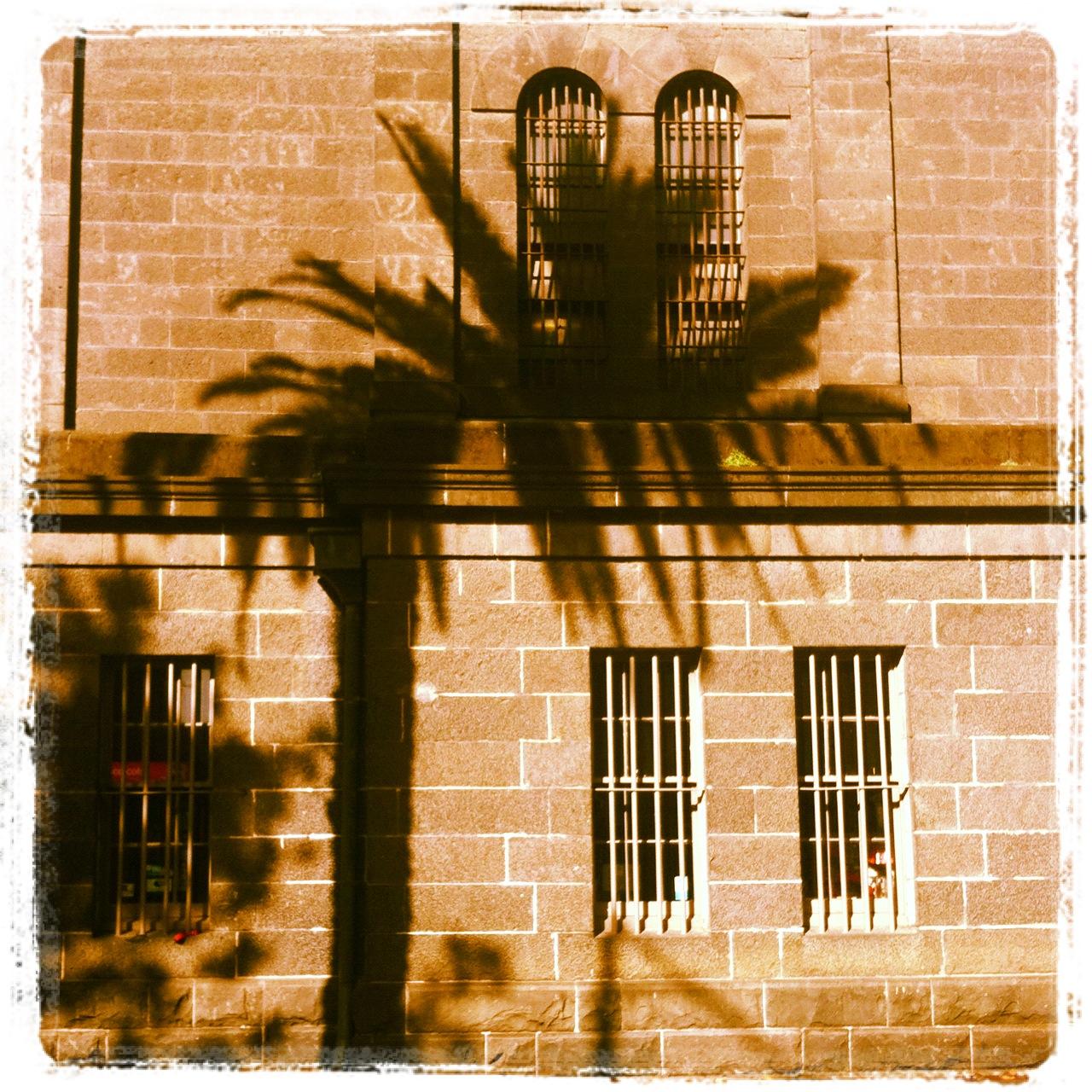
Step into the history of crime and justice, with some of Australia’s most notorious criminals having spent time here since the 1840s. The Old Melbourne Jail is on the edge of the city near the State Library of Victoria.
Home to Melbourne's oldest prison, historic Magistrate's Court and former Police City Watch House, Russell Street has been the heart of crime, law and order in Melbourne since the 1840's.
Most of Australia's infamous characters, including the iconic bushranger Ned Kelly and notorious gangster Squizzy Taylor have spent time within the walls of this amazing precinct. Today the award-winning tourism attraction is an opportunity to step back in time and walk the road to the gallows in a 19th century prison; or be arrested in a modern-day Police Station and put yourself on trial in court.
A ticket to the Old Melbourne Gaol, Crime and Justice Experience grants you visiting rights to the past, present and future of crime and justice in Australia.
20. Queen Victoria Market
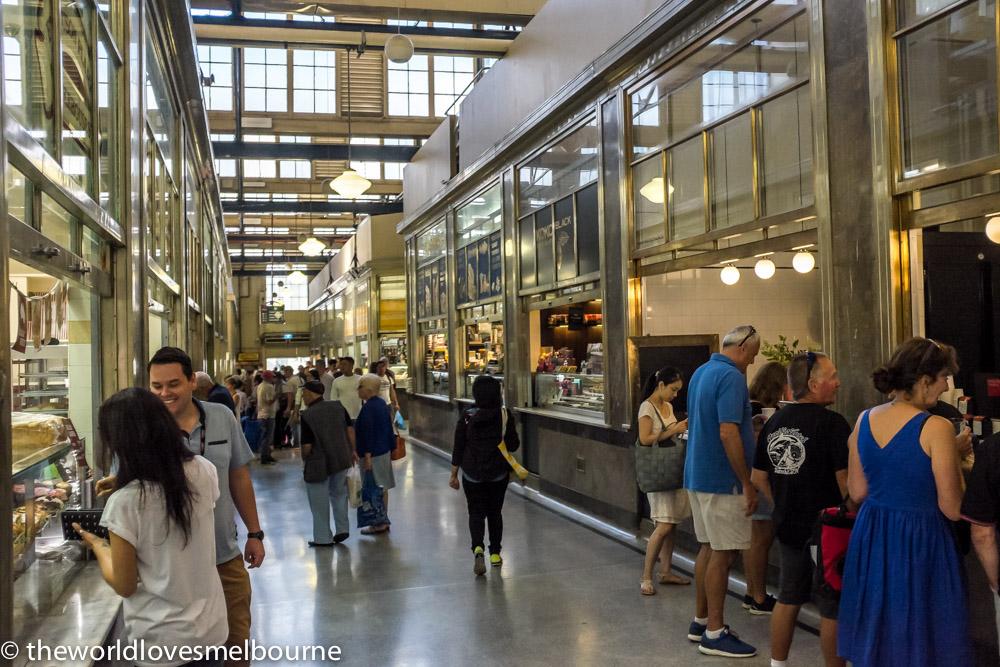
One of the world's best markets and a must visit in Melbourne. Highly recommend the tour! Great value and a perfect way to connect with Queen Victoria Market, the largest open air market in the southern hemisphere.
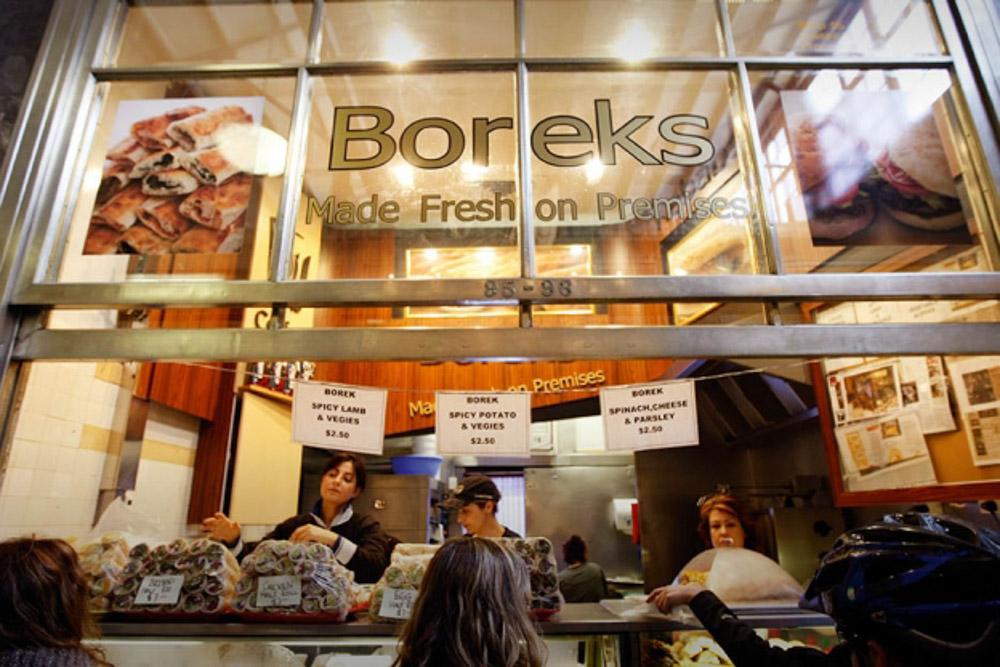
Popular with locals and tourists alike for bargains! Also boasts quality fresh produce in abundance. Love the buzz early in the mornings! This is a Melbourne institution and I know people who've been coming here for decades.
Many come for the stalls and bargains on belts and leather jackets which is cool. All kinds of unique products are sold here! Something for everyone!
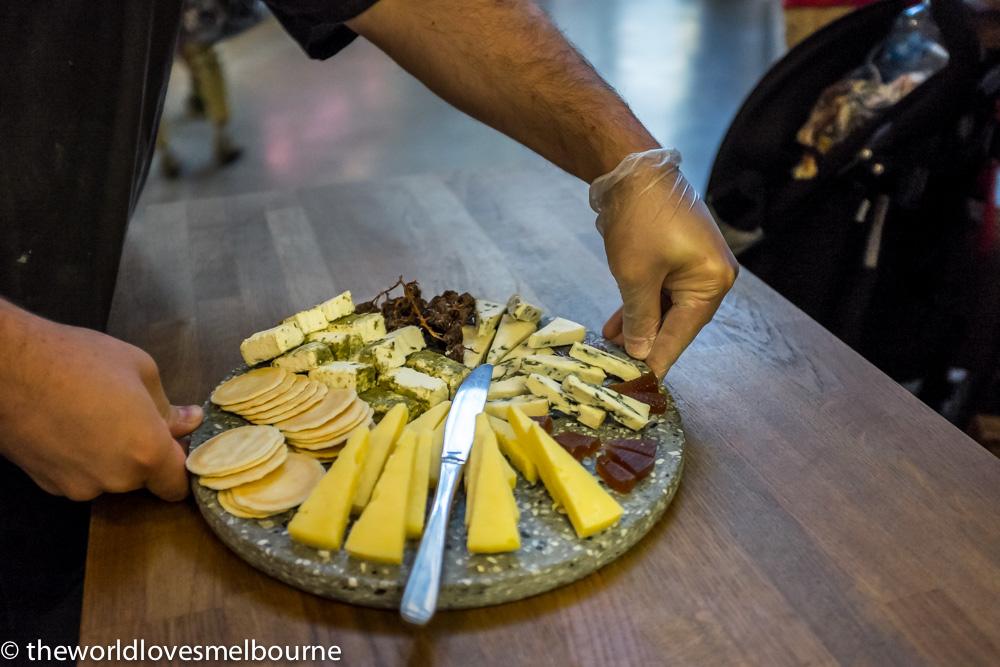
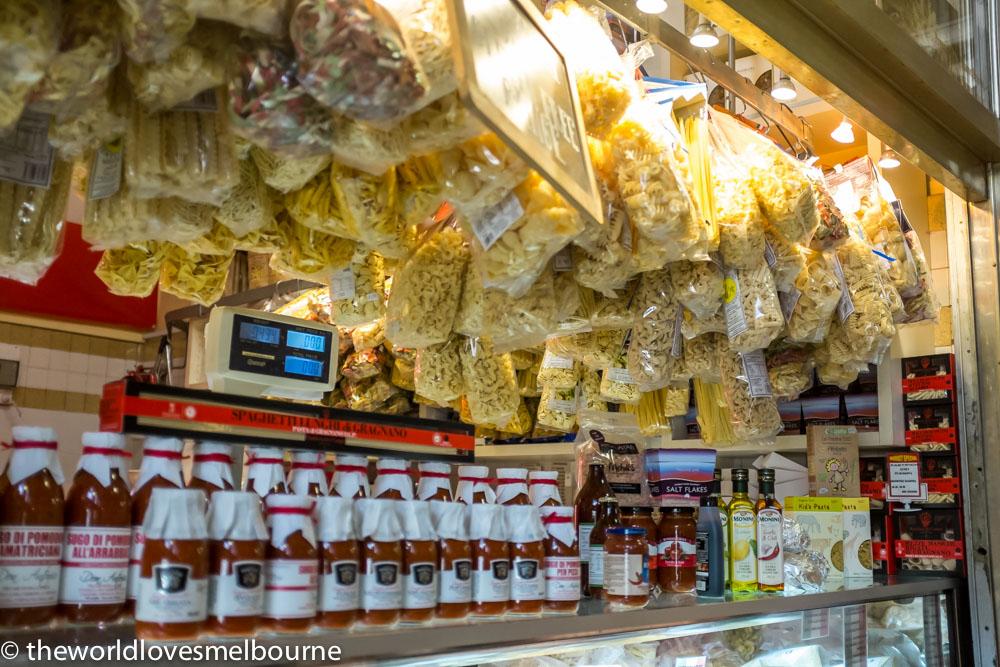
Frankly, I'm also a big fan of the gourmet offerings here. It's not hard to part with lots of cash when you see all the cheeses and meats and olives and specialist coffees.... And so it goes on.
Large parking area is great or simply catch a train to Melbourne Central or Flagstaff and walk.
Also check out the fine establishments serving great coffee including Market Lane Coffee who opened up across the road. I had one of the best coffees in my life there sourced from a farm in El Salvador.
21. Heidi Museum of Modern Art & Garden
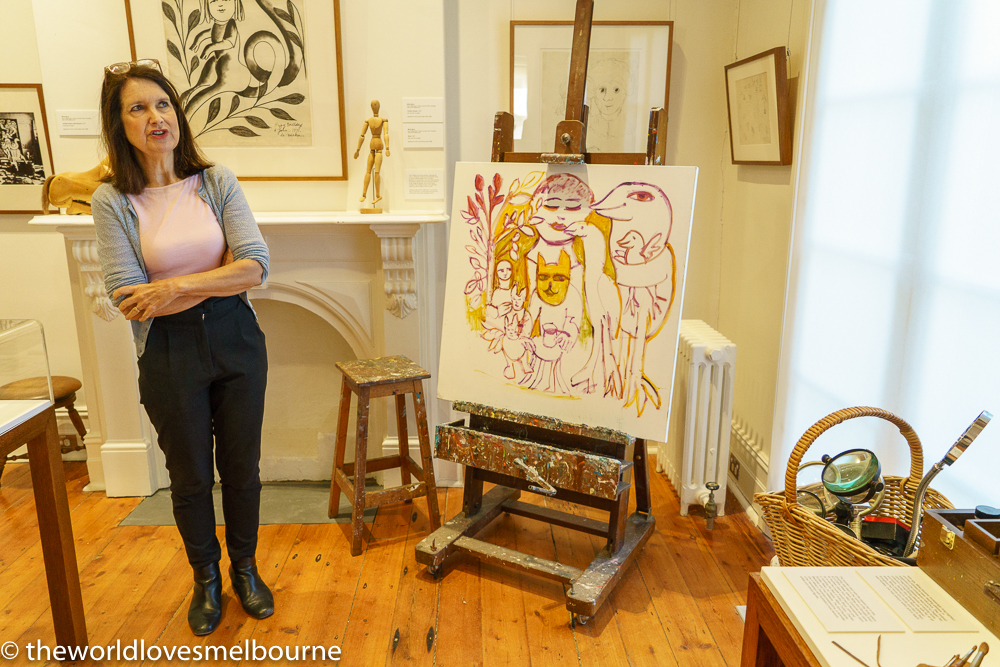
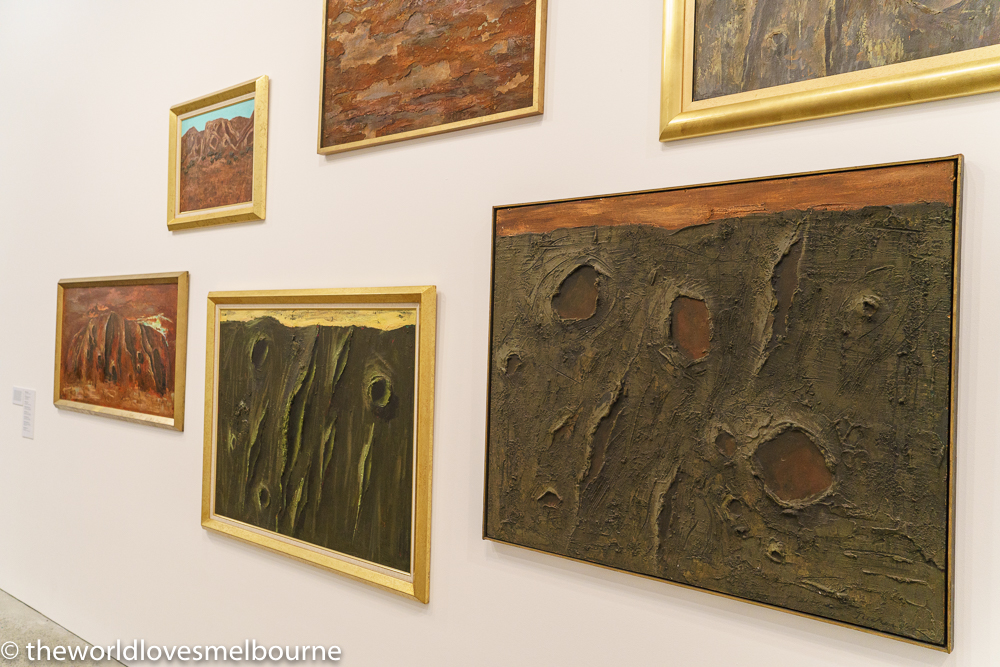
A great place to visit for a cultural and culinary fix. Heide Museum of Modern Art is a popular attraction and it takes several hours to wander the galleries and grounds. Admire the sculptures and the gardens including the herb garden. Take in the 3 sites of the gallery and its exhibitions. This place has an amazing history concerning the formative days of Australian art. Then when you've enjoyed a cultural feast visit the Cafe Vue Heide for a classy gourmet meal and a drink. Heide Museum of Modern Art is also popular for a picnic on the lawns. And it's only a short drive along the Eatern freeway to get to Heide Museum of Modern Art.
22. National Gallery of Victoria
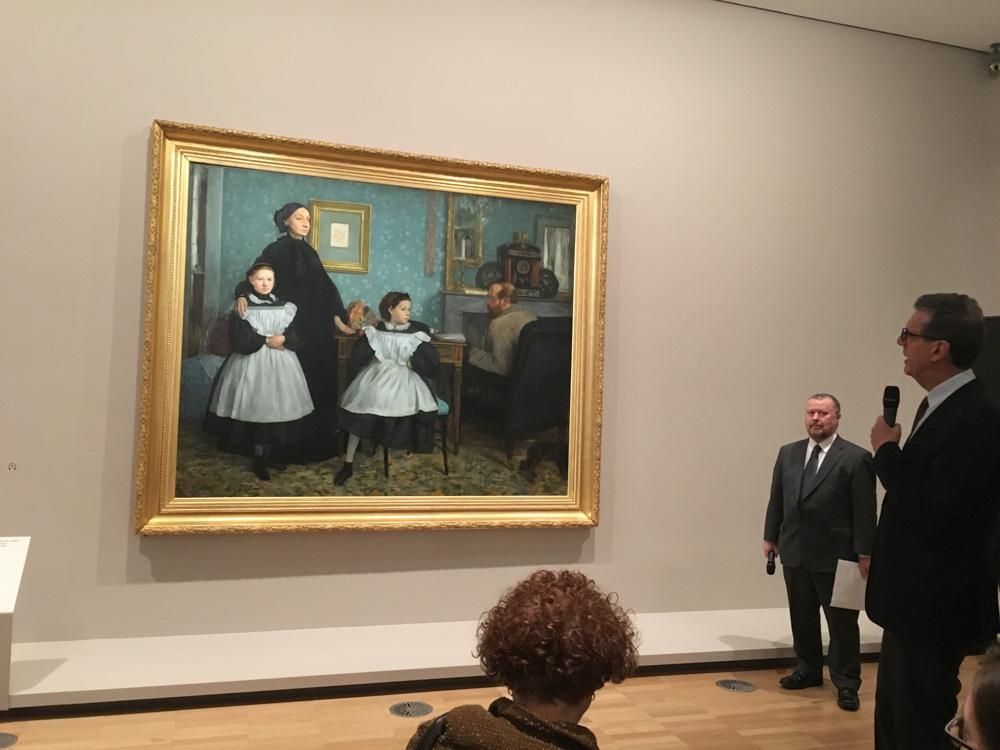
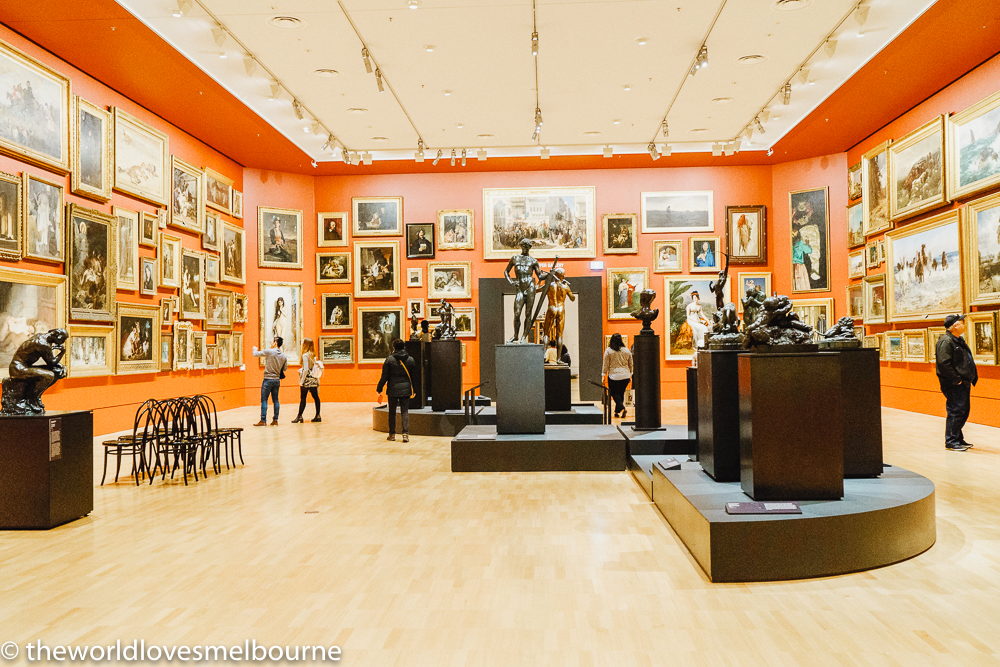
Incredible place to spend a day! Open in 1861 this is Australia’s oldest art gallery. NGV is full of exceptional art and excellent exhibitions. One of the best galleries in Australia! I’ve been known to spend hours here with my family. Features arts covering the Eastern and Western hemispheres. Ancient and modern! The fine arts and applied decorative ones! Spend time both on St Kilda Road for the European collection and in Federation Square for the Australian collection.
Most of the gallery is free with some exhibitions incurring a charge (often with unlimited access).
23. Scienceworks
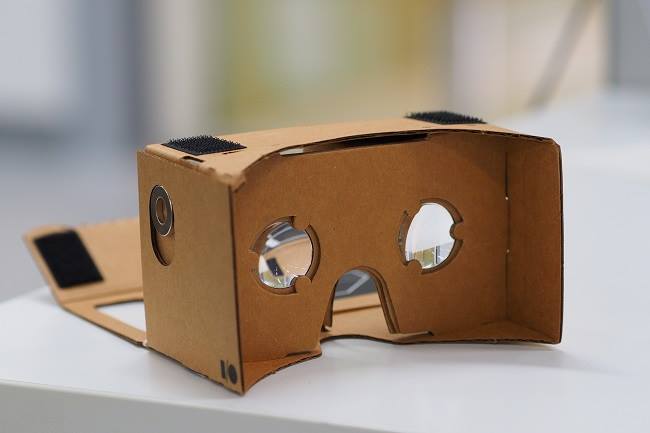
A favourite place for children in Melbourne! Learning about science and technology! Scienceworks is only 5km from Melbourne in Spotswood! Hands on participation is the order of the day! Live demonstrations, shows, guided tours and special activities! Speak to kids all over Melbourne and they love coming here! It’s fun! It’s educational! It’s clever! It’s interactive! Scienceworks itself is great but there’s always added exhibitions next door. Plus the Planetarium is a big hit! There’s also shows and events in the round outdoor theatre. Image: Scienceworks Facebook.
Great catering at the venue but personally I love to go to nearby great cafes like Duchess of Spotswood and The Cornershop in Yarraville.
http://museumvictoria.com.au/scienceworks/
24. Royal Botanic Gardens
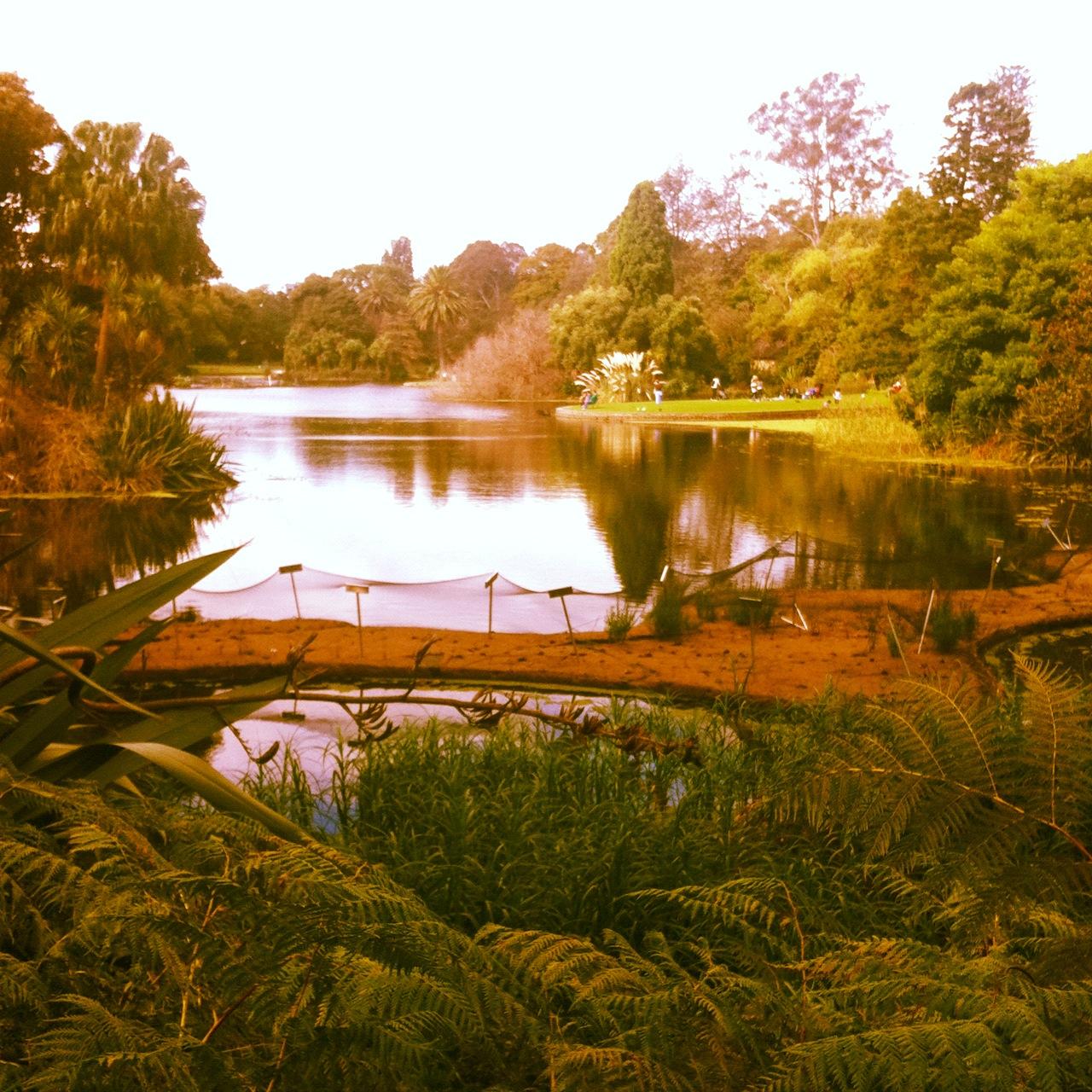
World class gardens! Incredible landscaped gardens are impressive to people of all ages. One of Victoria’s most popular tourist attractions with more than 1.5 million visitors each year! On a sunny Melbourne day it's just sensational to stroll around the Royal Botanic Gardens. And the gardens are massive! To explore them in full takes many hours. Enjoy the feature lakes. Enjoy the wide expanses of green lawn. Features 10,000 plants from all around the world! Includes The Ian Potter Foundation Children’s Garden which is extremely popular, as well as a Tropical Hothouse. Your kids will love the Children's Garden - bamboo hideaways, sand, water, a lookout and more. Enjoy one of the guided walks! The Royal Botanic Gardens also has two cafes. Open every day of the year from 7.30am to sunset!
25. Werribee Open Zoo
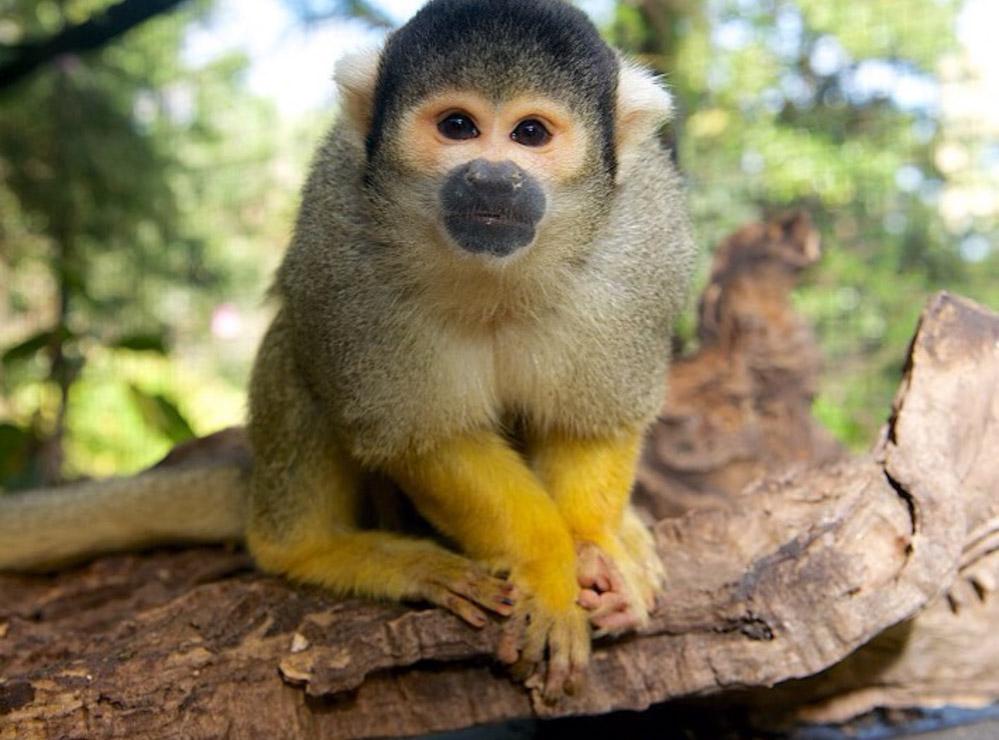
Another great favourite of children in Melbourne. This zoo is African themed as is located about 32 km out of Melbourne in Werribee. You can take a safari bus tour in the Open Range Zoo. The tour takes about 45 minutes. The safari tour includes hippo, animals of the grassland such as zebra and waterbuck, giraffe, ostrich, and rhinoceros, as well as the camel and the oryx. Also lions, meerkats and much more! There is also a simulated African Village. Image: @melbourneandwerribeezooevents Instagram.
http://www.zoo.org.au/WerribeeOpenRangeZoo
26. Melbourne Museum
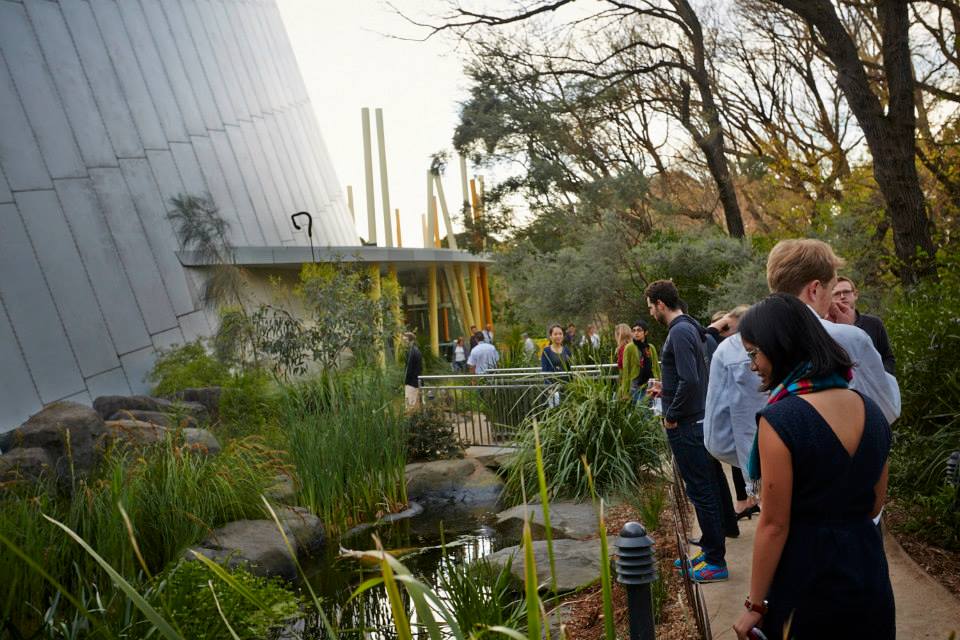
A world class Museum that is also a favourite of children. Located in the Carlton Gardens opposite the Royal Exhibition Building! It’s easy to spend hours here without being bored. I know people who aren’t keen on Museums but love this one! The permanent displays are first class over 8 galleries (including one for children) and there’s new displays regularly. Kids love it in the sand pit! Highlights include a complete skeleton of a blue whale, the Bunjilaka Aboriginal Cultural Centre, a living rainforest, and the racehorse Phar Lap! Major international exhibitions are in the Touring Hall! Also next door is the IMAX so you can combine the two visits. The cost of visiting the Museum is reasonable for families. Image: Melbourne Museum Facebook.
http://museumvictoria.com.au/melbournemuseum/
26. City Circle Tram
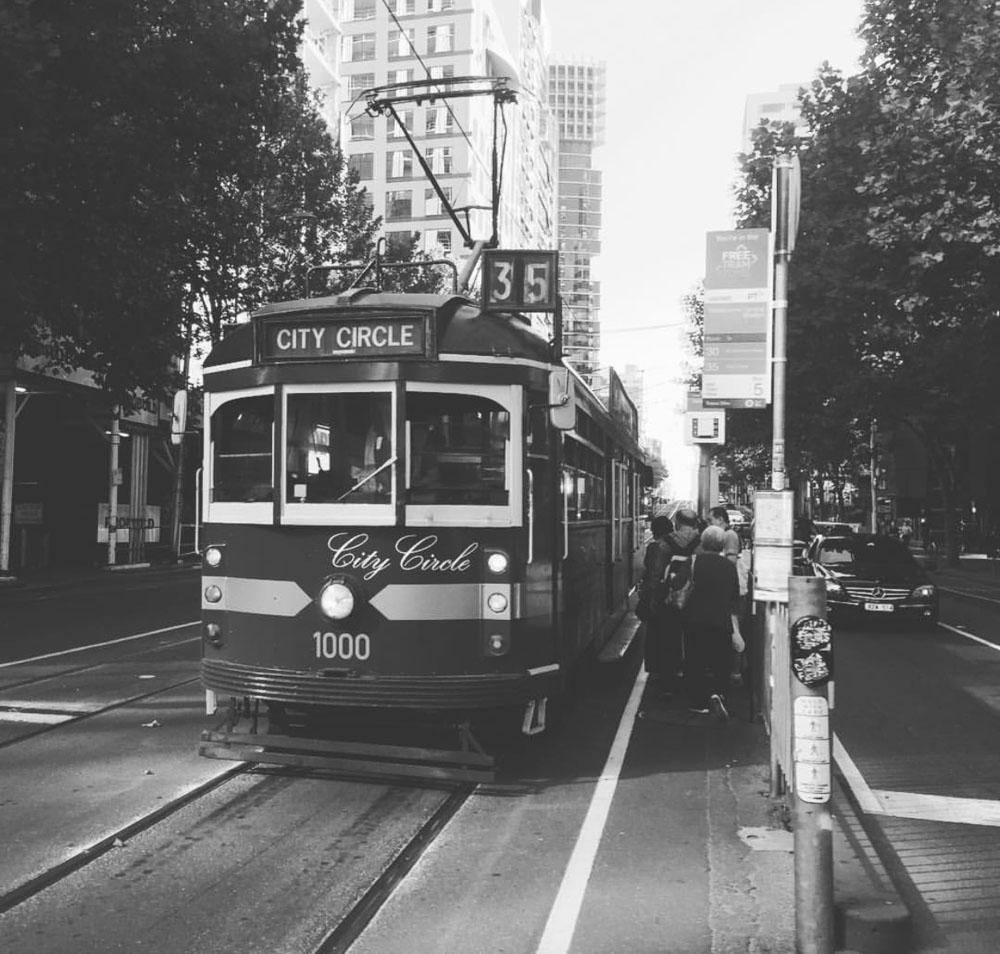
What a service! Free trams running in a circular route in the CBD through many tourist attractions – with trams running in both directions every 12 minutes! Sensational! Great for tourists and locals alike! The beauty is to get on an off when you please as the service runs so regularly. A great part of the service is the tourist presentation as you travel! On some occasions there will be a guide who dispenses with the recorded service and goes freestyle! Image: Instagram @mprageemn on @theworldlovesmelbourne.
http://www.metlinkmelbourne.com.au/route/view/1112
27. Immigration Museum
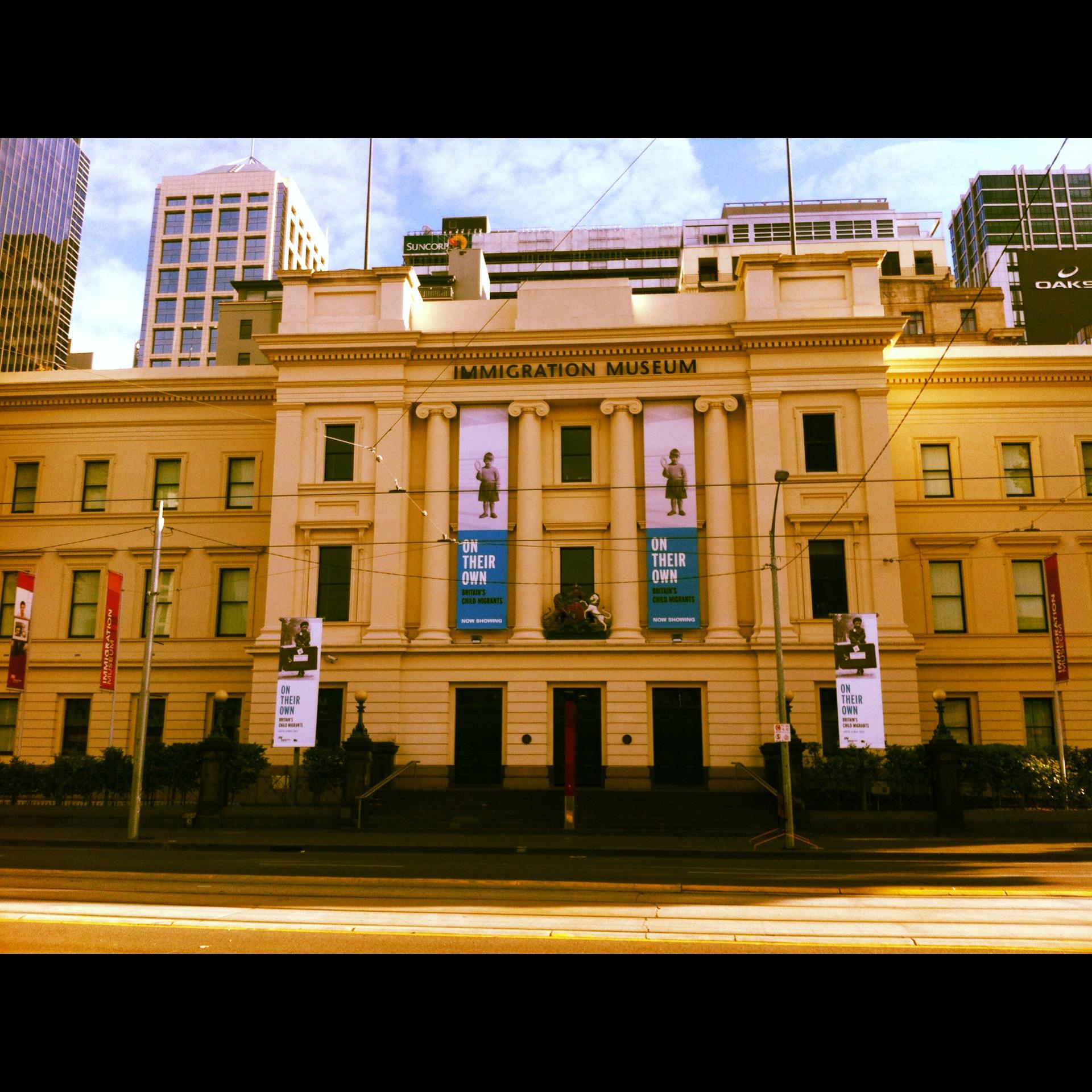
Melbourne is one of the most multicultural cities in the world! The Immigration Museum is a magnificent building on Flinders Street. This is a celebration of immigration. It celebrates people who have moved to Melbourne from all over the world! Located in the Old Customs House in the heart of the city! It brings to life the stories of people with moving images, personal and community voices, memories and memorabilia.
http://museumvictoria.com.au/immigrationmuseum/
28. Dandenong Ranges
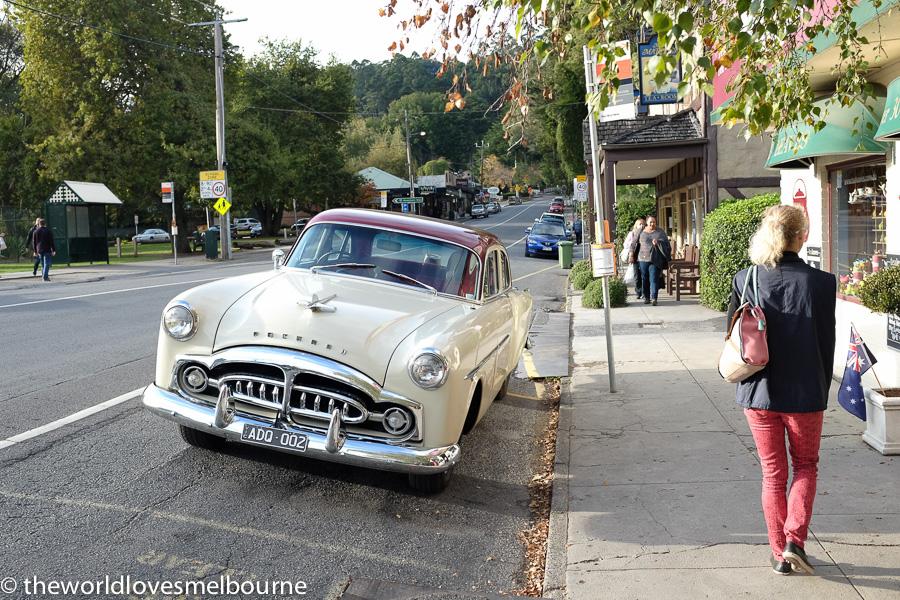
One of the great spots of Melbourne only 45 minutes from the CBD. Take a picnic or stop at a great café. Enjoy the hills environment of ferns and huge Mountain Ash trees. There’s lots of spectacular scenery as you wind through the Ranges and check out the view below! Go to iconic towns like Sassafras and Olinda and Kalista! Check out great cafes like Ripe or Miss Marple in Sassafras. Take a stroll through the main street. Enjoy craft stores, artist studios and plant nurseries. Enjoy the great gardens of the Dandenong Ranges! The kids will love a trip on Puffing Billy – one of Australia’s favourite steam trains! ! Journey to Sky High at Mount Dandenong. Here are spectacular views of Melbourne and great gardens to enjoy. http://www.experiencethedandenongs.com.au/
29. Museum of Chinese Australian History
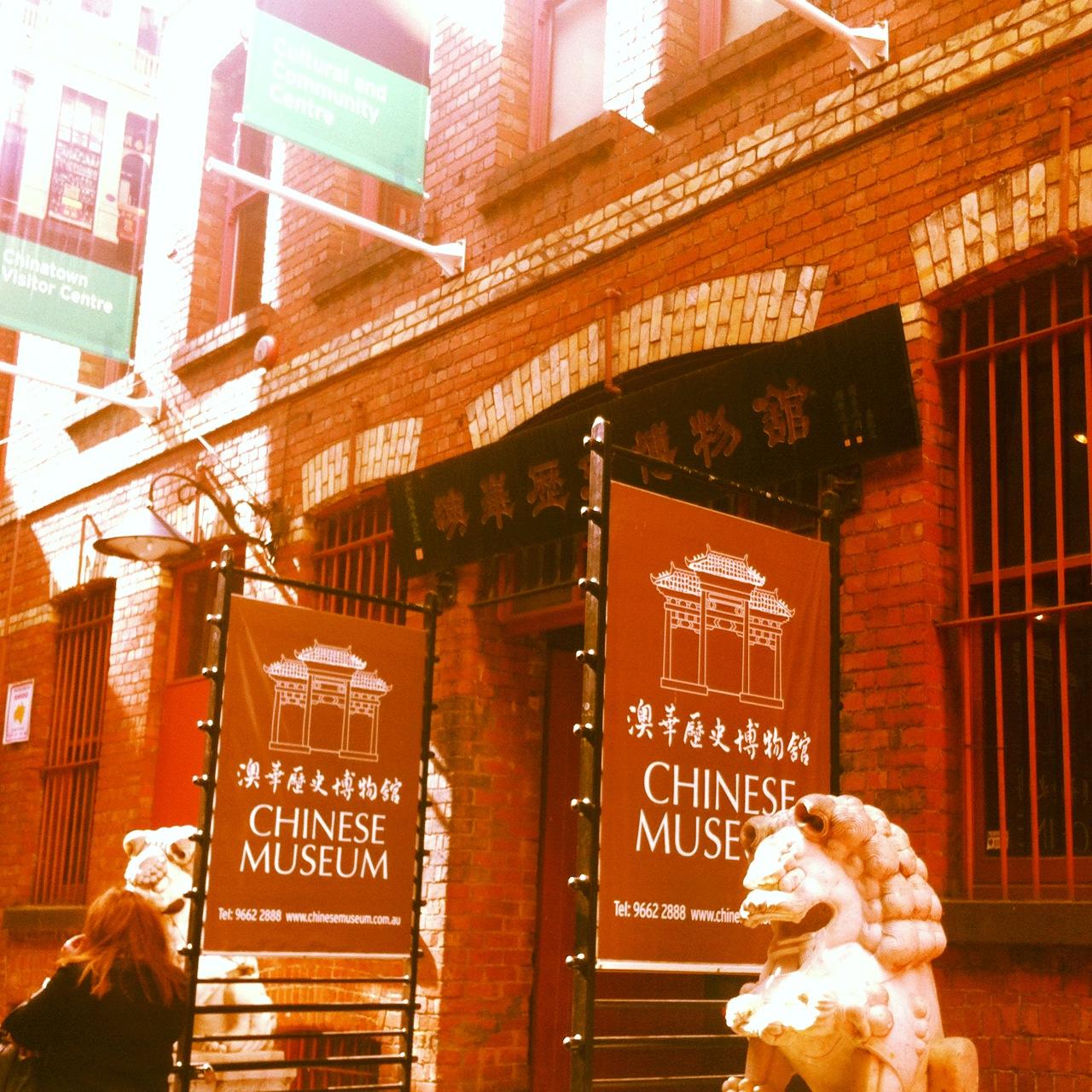
Another important part of our history located in the heart of Chinatown. The Museum has 5 floors and is a large museum.
Located in the heart of Melbourne's Chinatown, the Chinese Museum's five floors include a Chinatown Visitor Centre, a Dragon Gallery displaying three generations of Chinese dragons, the "Finding Gold" below-ground experience, Australia's 200-year Chinese history told through artefacts as well as the story of recent arrivals from all parts of the Asia Pacific region since the 1950s.
View international and local exhibitions, cultural events and contemporary art shows in the temporary exhibition gallery. Take your kids on a treasure hunt through the Museum or learn about the rich history of the Chinatown on a Heritage Walk.
As a national museum, the Chinese Museum reasearches, conserves and promotes the built, social and economic contribution the Chinese community has made to Australia.
Celebrating the Chinese contribution to Australia!
http://www.chinesemuseum.com.au/
30. Flinders Street Station
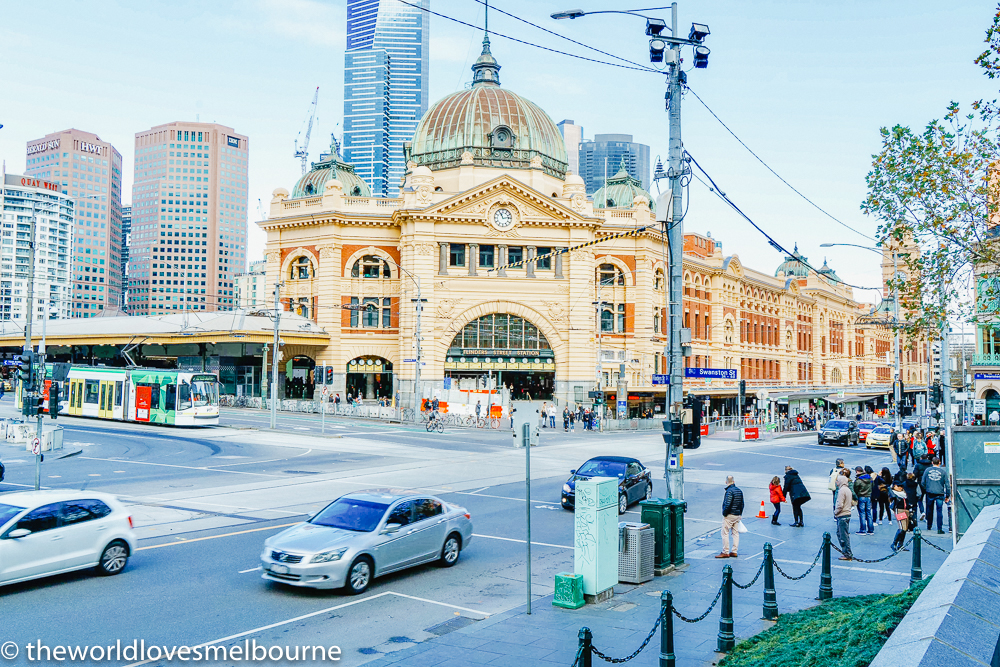
This is one of the most iconic attractions of Melbourne. Australia’s oldest train station! Amazing architecture including the famous domed clock tower! Over 100,000 people use the station everyday!
The steps at the main entrance under the famous domed clock tower are a popular meeting place for Melburnians. The station concourse is a ticketed area on the ground level. Lifts and escalators on the concourse lead down to the platforms. Flinders Street Station has services and facilities to assist metropolitan and regional passengers.
For me the best view in Melbourne is from the steps of St Paul’s Cathedral looking out to Flinders St Station, Federation Square and other attractions. There are some great cafes in and around the station, including short walk to iconic Degraves street.
Flinders Street Station also looks amazing at night and is prominent on the Melbourne landscape.
31. State Library of Victoria
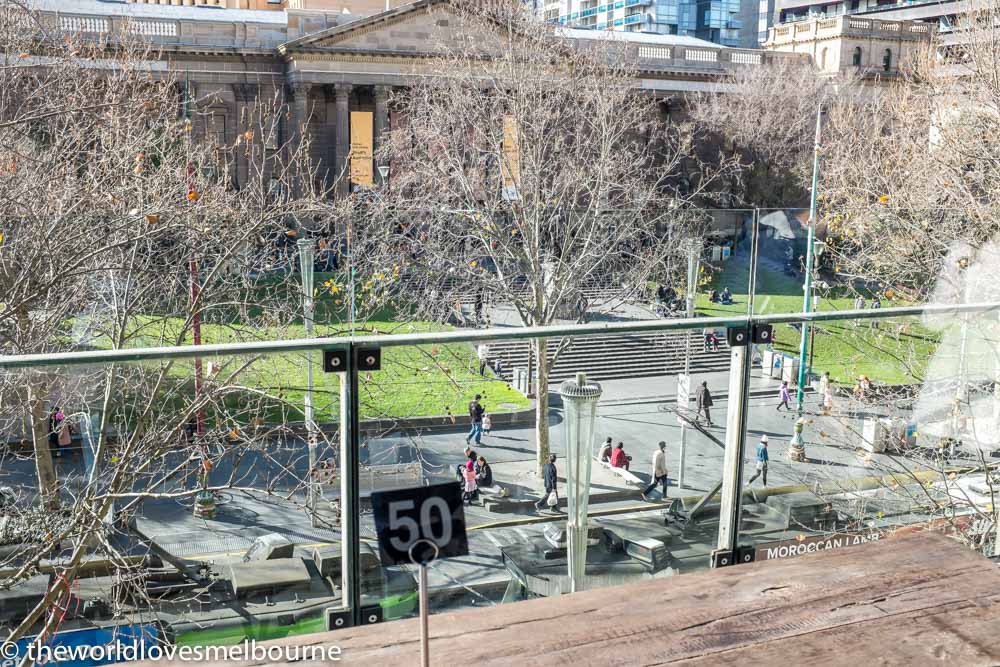
One of the best libraries in Australia. The complex is impressive with library moving into the 21st century! The architecture of the library is amazing! Many people love to also sit out on the lawns in front of the library on a sunny day. This library has great resources and many stations to connect with the internet. There are many exhibitions, events, classes, workshops, and so much more… Experimedia room is an amazing place to experiment with digital media, as well as being a great function room.
The Dome is an amazing structure to be appreciated inside the library!
32. Collins Street and Block Arcade
Perhaps the most famous Melbourne shopping street is Collins Street, home to high end jewellery (including Georg Jensen, Makers Mark, Bvlgari, Jan Logan, Rutherford and Tiffany & Co), high end fashion (Cose Ipanema, Husk, Herringbone, Hugo Boss and the legendary appointment-only boutique Le Louvre), shoes and luxury goods (such as Ralph Lauren, Hermes, Chanel, Gucci, Bally, Salvatore Ferragamo and Louis Vuitton).
There is also shopping complexes such as Collins Place, Georges on Collins, Collins two3four and Australia on Collins , which feature fashion, home wares and gift stores.
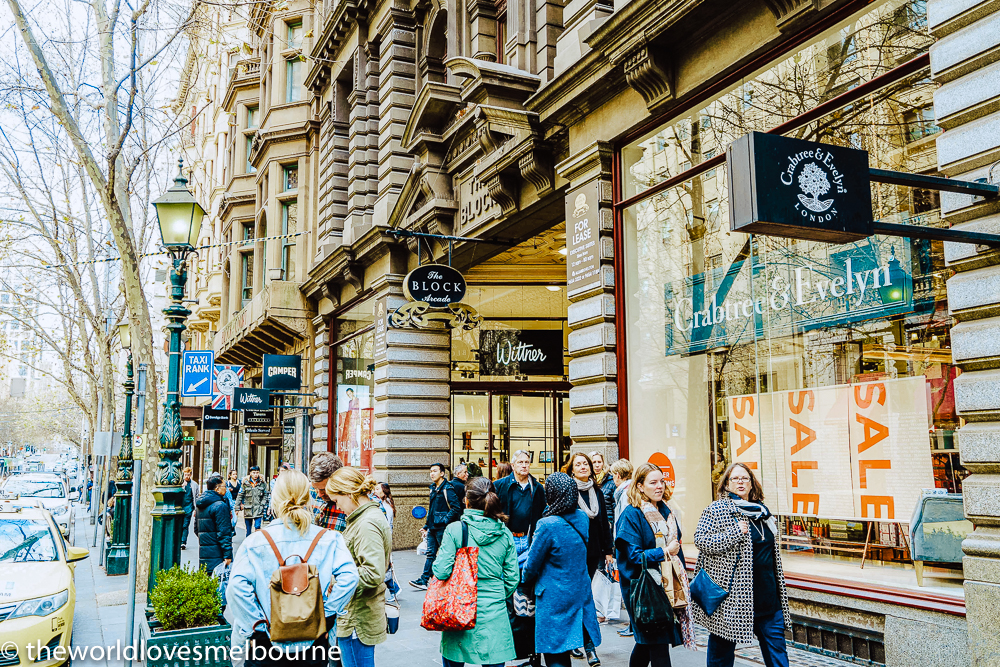
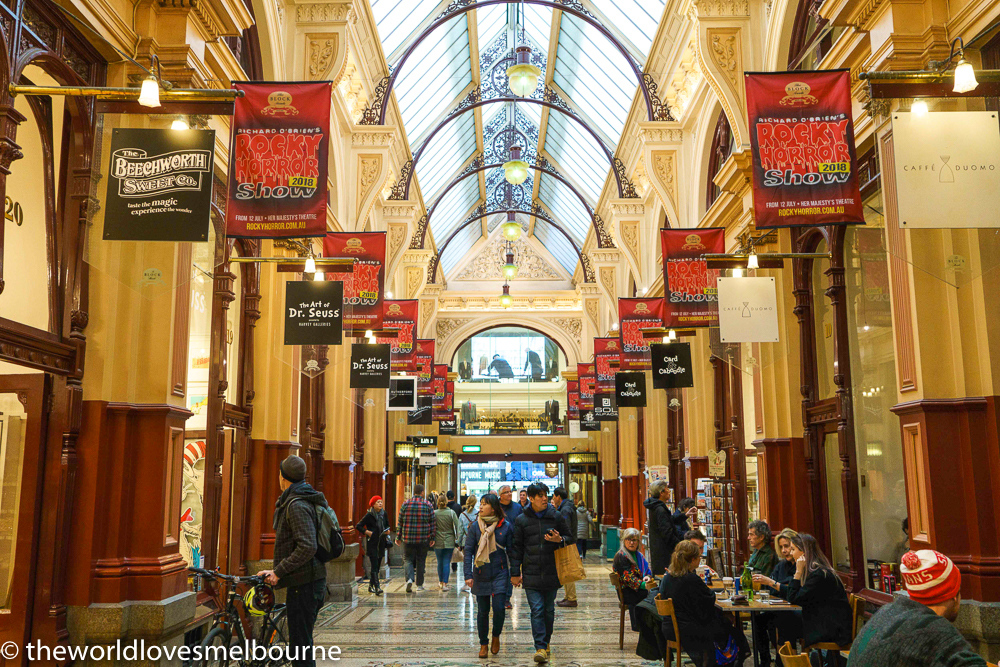
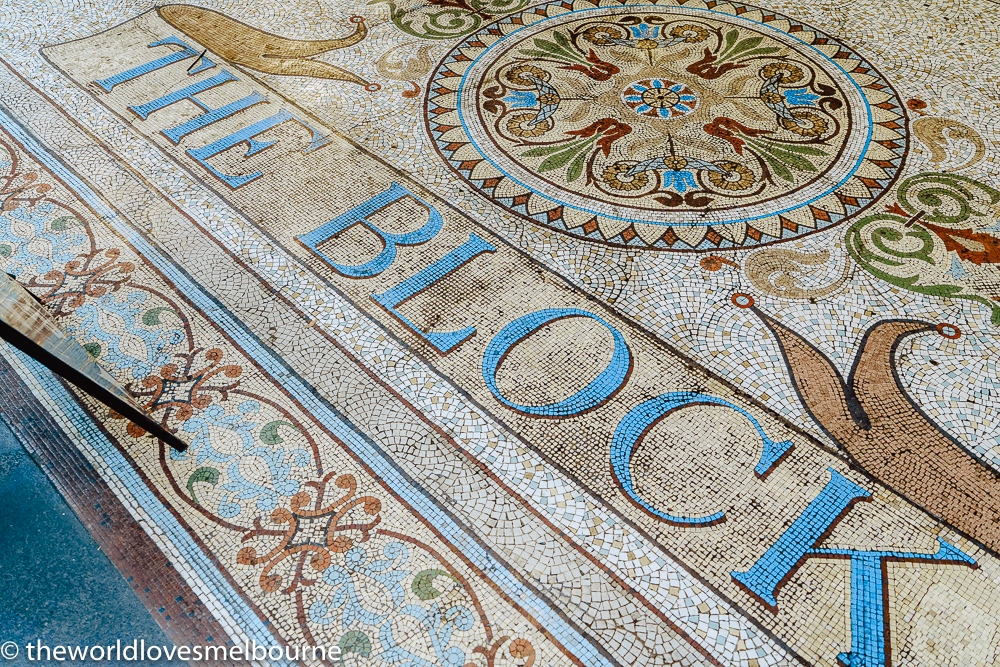
Block Arcade forms a laneway between Collins St and Little Collins St. The arcade which was erected between 1891 and 1893 was designed by architect David C. Askew whose brief was to produce something similar to the Galleria Vittoria in Milan . The result was one of Melbourne's most richly decorated interior spaces, replete with mosaic tiled flooring, glass canopy, wrought iron and carved stone finishings. Block Arcade is one of Australia's best surviving examples of the Victorian Mannerist style.
Over 30 boutique shops include Haigh’s Chocolates, Melbourne-based Douglas & Hope (fashion and homewares), various fashion, jewellery and specialty shops.
Great cafes abound including the popular Hopetoun Tearooms which ooze elegance and charm, Café D’Uomo and Brown Sugar.
The Collins Street entrance is only a minutes walk from Flinders St Station.
http://www.theblockarcade.com.au/
33. The Regent Theatre
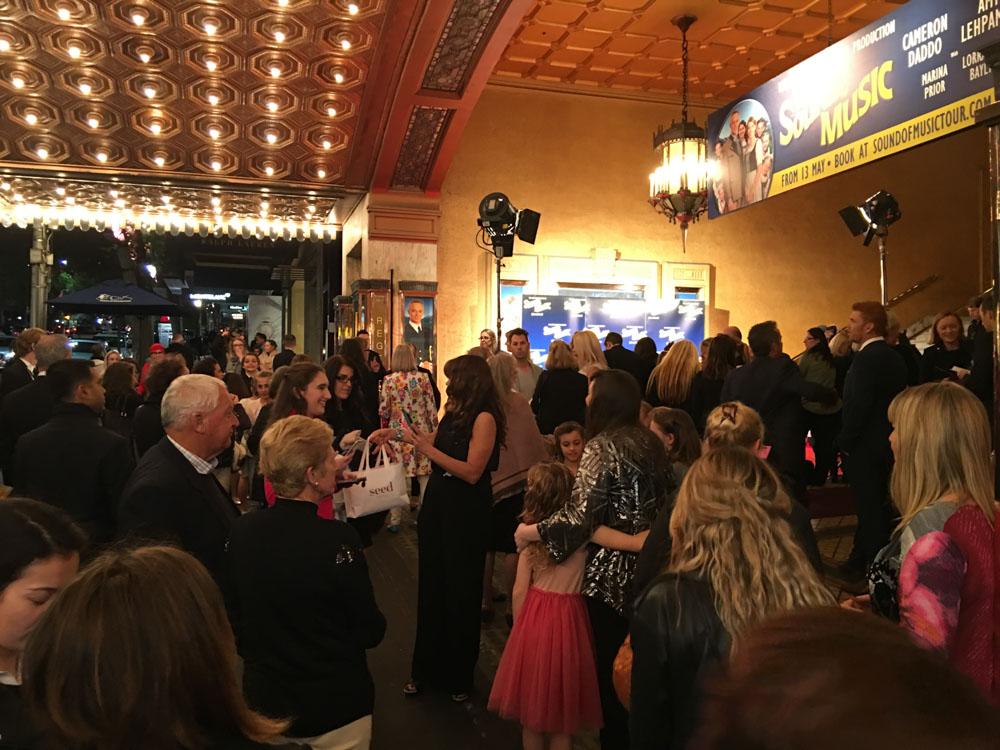
One of the iconic theatres of Australia since 1929! Come to Collins Street and see a performance here! It was wonderfully restored in recent years and is a breathtaking venue.
The landmark Regent Theatre holds a key part in our city’s history since opening as a grand picture palace in 1929. Having survived a fire, a flood, twenty years in darkness and many threats of demolition to turn the magnificent theatre into a car park or tabaret, the venue reopened in August 1996 meticulously refurbished and returned to its breathtaking former glory.
Today it stands more lavish and grand than ever and continues to host some of the world’s most renowned theatre productions including Disney’s The Lion King, We Will Rock You, Sunset Boulevard, Wicked, Priscilla Queen of the Desert – The Musical and Andrew Lloyd Webber’s Love Never Dies.
http://www.marrinergroup.com.au/
34. Lygon Street
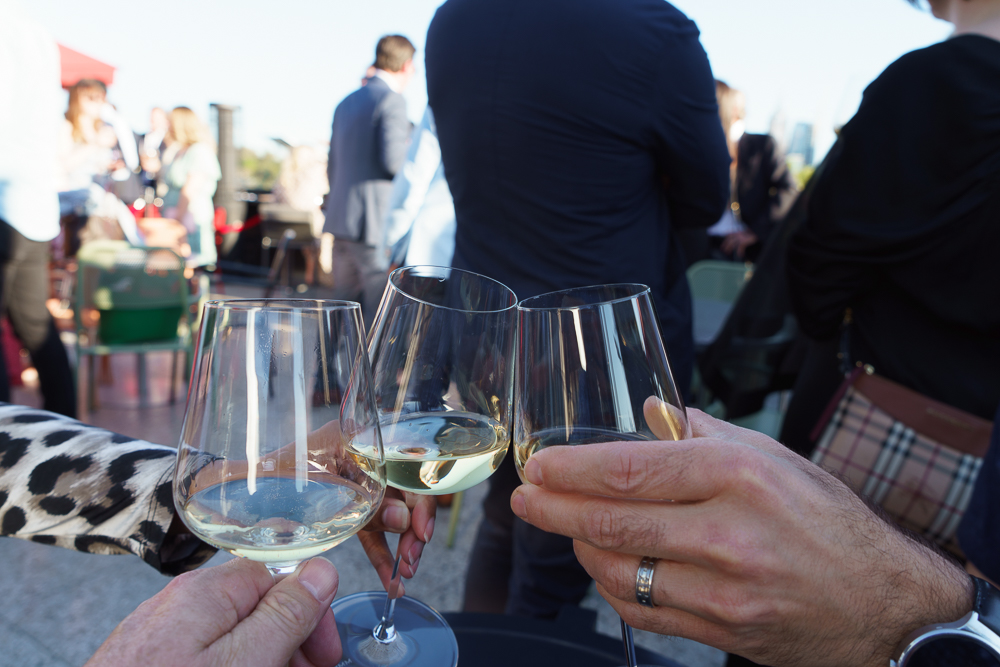
King and Godfree Rooftop is one of the most popular bars in Melbourne.
Iconic strip full of great cafes and restaurants running through Carlton, Carlton North and Brunswick East. It owes much to the Italian migrants. It’s known for the Italian restaurants but is also becoming more diverse. It was the first Melbourne precinct to promote outdoor dining with tables and chairs on the pavement! Great on a balmy summers evening! I enjoy places like Brunetti which is iconically Melbourne, 400 Gradi, as well as Carlton Espresso for a great Italian experience. And I love Ying Thai II for Thai cuisine. The Carlton Food Store is a winner and the list goes on.
Lygon Street has been transformed substantially since the 1970s and 1980s where the cuisine was predominantly Italian and Greek. These cusines still feature but recent years have seen the addition of other cusines notably Asian and Indian cusine.
Lygon Street has a great ambience with not just it's restaurants and cafes but also its boutique shopping.
35. Marvel Stadium
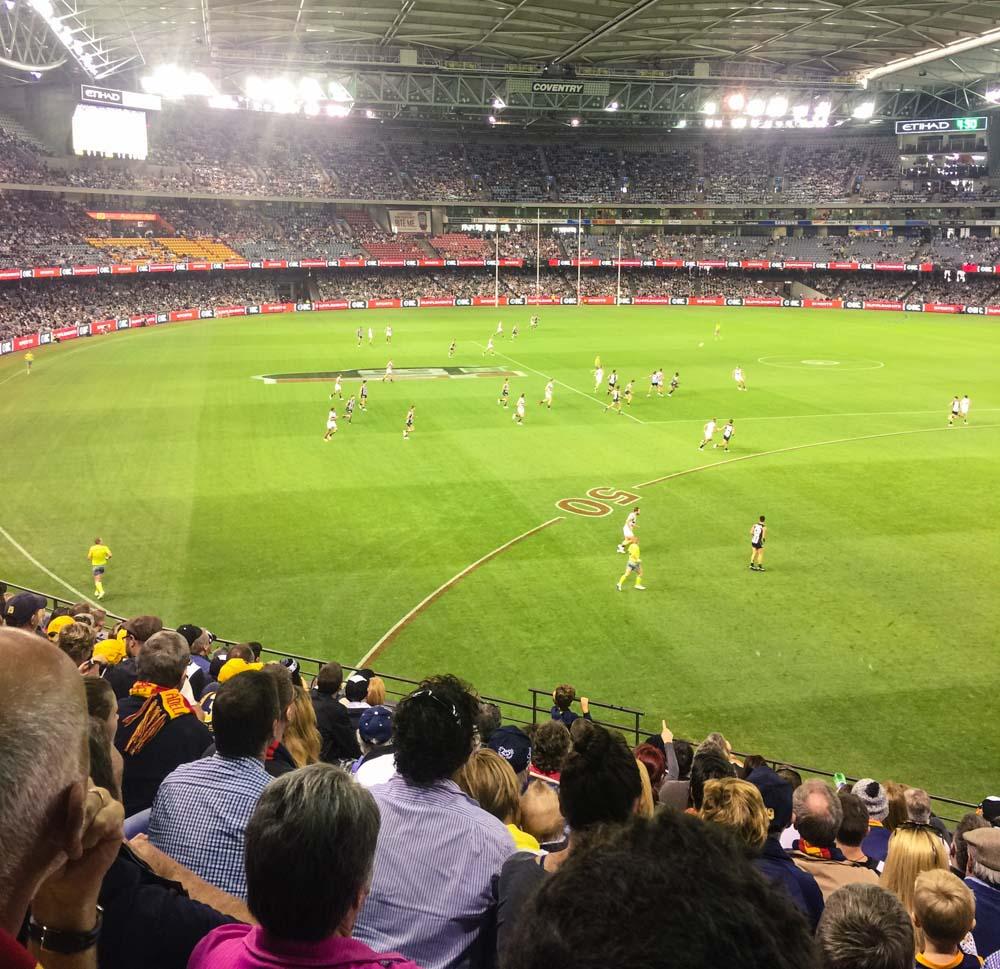
Sporting lovers enjoy checking out this great multi purpose complex only minutes from the CBD! It’s the only complex in the Southern Hemisphere with a retractable roof! You can arrange to go on a tour. Or even hold a conference here! Of course attending an AFL fixture is a great Aussie thing to do!
The stadium is one of the major venues for AFL football and regularly sees large crowds of around 50,000 football lovers. It's one of the best stadiums to view sport - with the feeling you are never far from the action. The facilities at this stadium are also excellent for patrons and there is ample parking under the stadium or a short walk from Southern Cross Station.
http://www.etihadstadium.com.au/
36. Chapel Street
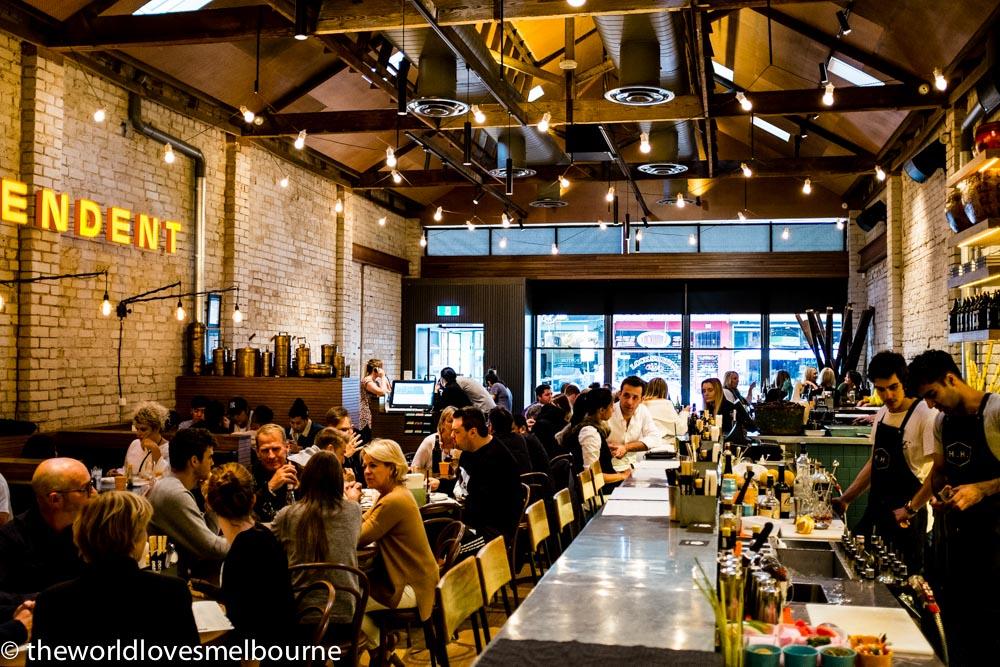
Chapel Street is known to be one of the best fashion strips (if not the best) in Australia! It provides designer chains but also unique boutique experiences.
Popular stores include French Connection, Sportsgirl, Cue, Mimco, Witchery, and Alannah Hill. Also check out Portobello Lane for divine jewellery, Mac for cosmetics, Louis Epstein for great jeans, Indigo Boutique and Eurotrash (eccentric selling vintage couture). Also Linda Black provides vintage accessories, shoes and clothing.
The Chapel St Bazaar is a classic featuring haberdashery, homewares and fashion, with hidden gems to be had!
Chapel St is a precinct where you can easily spend a day! Or two! Chapel St is also a popular spot for op shoppers!
St Kilda itself is an eclectic place with many attractions! Check out the Esplanade (while taking in the markets on a Sunday). Stroll along the Pier and grab an ice cream.
Take in Acland Street and the fine European cake establishments. In fact many of Melbourne’s finest restaurants are in St Kilda, with many in Fitzroy and Acland Streets. Enjoy fine dining at great restaurants like Prince Dining Room.
http://www.chapelstreet.com.au/
37. Old Treasury Building
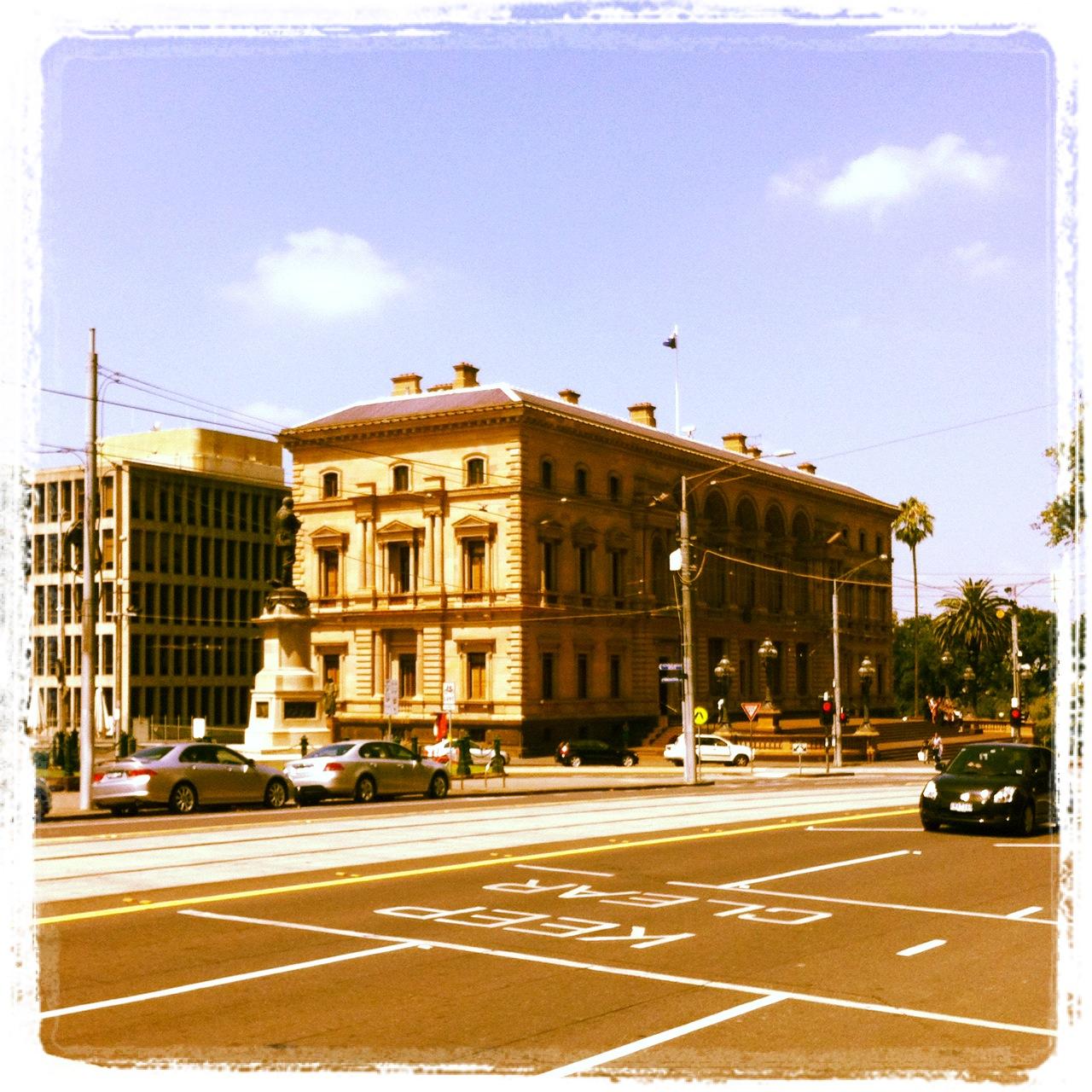
This is a great place to visit and it's free. Another building with awesome architecture, the Old Treasury building has treasures inside! Regarded as one of the best and iconic buildings of the 19thCentury.
The Old Treasury building was designed by nineteen-year-old architect JJ Clark and built between 1858 and 1862.
Check out the original gold vaults where the gold bullion was stored. Also historic public documents and Ned Kelly’s “Euroa” letter are highlights. I recommend visiting cafes and restaurants on nearby Spring St or Collins St such as The European, the City Wine Bar or even high tea at The Windsor.
http://www.oldtreasurybuilding.org.au/
38. Hosier Lane
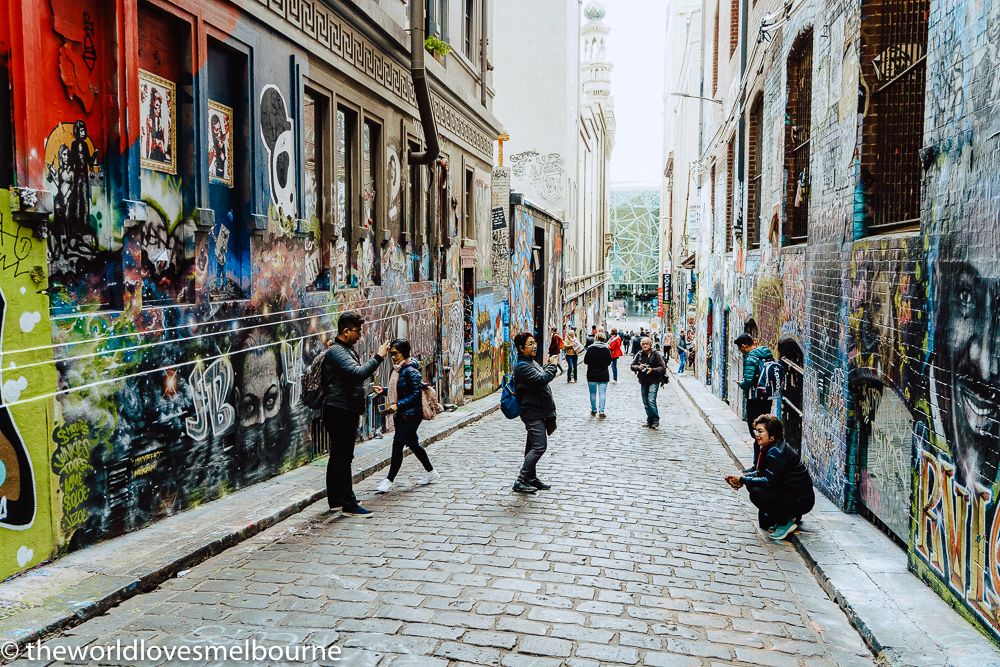
Internationally acclaimed street art! And street art is extremely popular and fashionable. This is such a cool place to visit and is considered “very Melbourne”. Melbourne is famous for it’s laneways and this is one of the best! Check out the street art all down this bluestone cobbled pedestrian laneway. One of the most photographed streets in Melbourne! Also some great restaurants and cafes nearby like Movida or Movida Next Door. And also close to Flinders Lane restaurants.
39. Flinders Lane
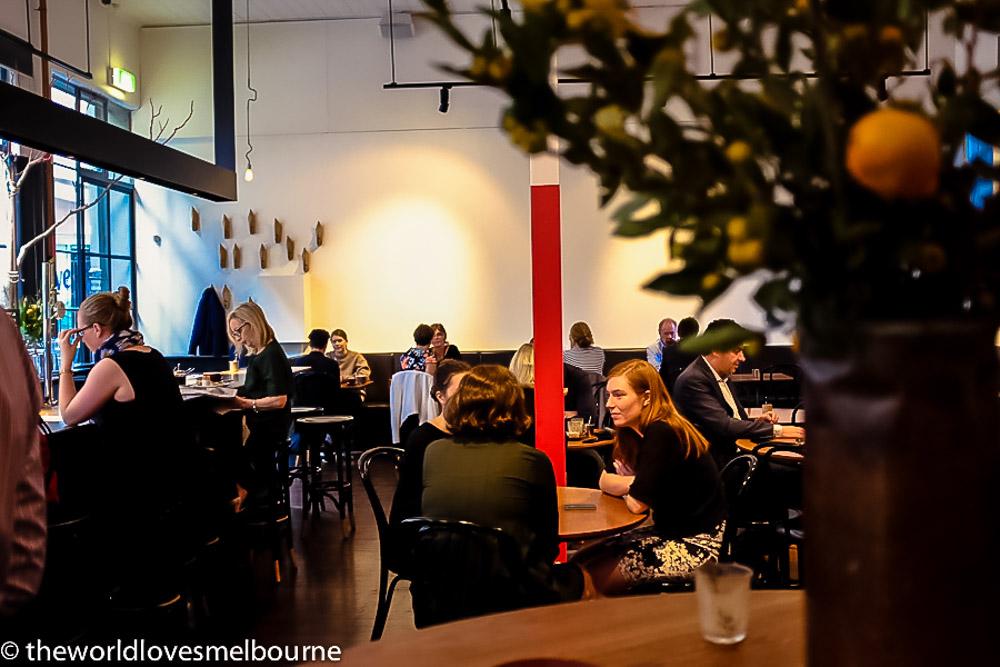
Arguably the best dining strip in Melbourne! When people ask me where to dine in Melbourne I often direct them to Flinders Street which is full of to dining options! Places like Cumulus Inc., Tonka, Pastuso, Supernormal, Ezard, Cecconi’s, Chin Chin, Coda, and others are some of Melbourne’s best restaurants. Flinders Lane is a trendy street of food, but also fashion and culture.
Some of the old building of yesteryear have been demolished including at one stage the third tallest building in the world (built 1889).
Flinders Lane also connects with other iconic Melbourne lanes such as Hosier Lane, Manchester Lane and ACDC Lane.
Also home to several boutique hotels.
40. Australian Centre for The Moving Image
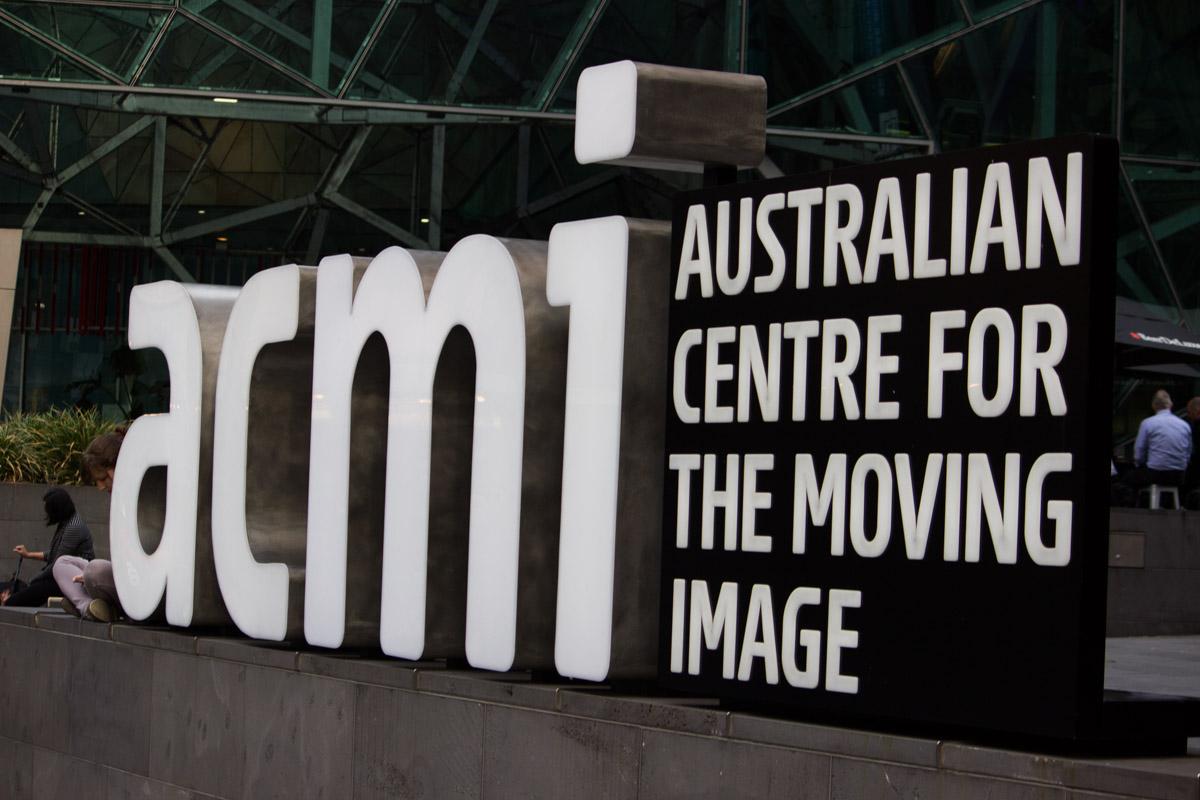
A celebration of moving image in all it’s forms! The Australian Centre for The Moving Image is a great way to spend several hours. It's educational and it's fun and at times interactive. Immerse yourself in a world of film, television and digital culture! For many its a trip down nostalgia lane with footage of early Australian TV shows and imagery. Who remembers Skippy and even Astro Boy? Or films like Picnic at Hanging Rock? You can even sit down for a game on Wii. Award winning Australian and international exhibitions, films, festivals, live events, creative workshops, education programs and Collection resources, allows audiences to engage with the moving image! A permanent exhibition charts the journey of the moving image. Entry is free to some exhibitions.
41. St Pauls Ca thedral
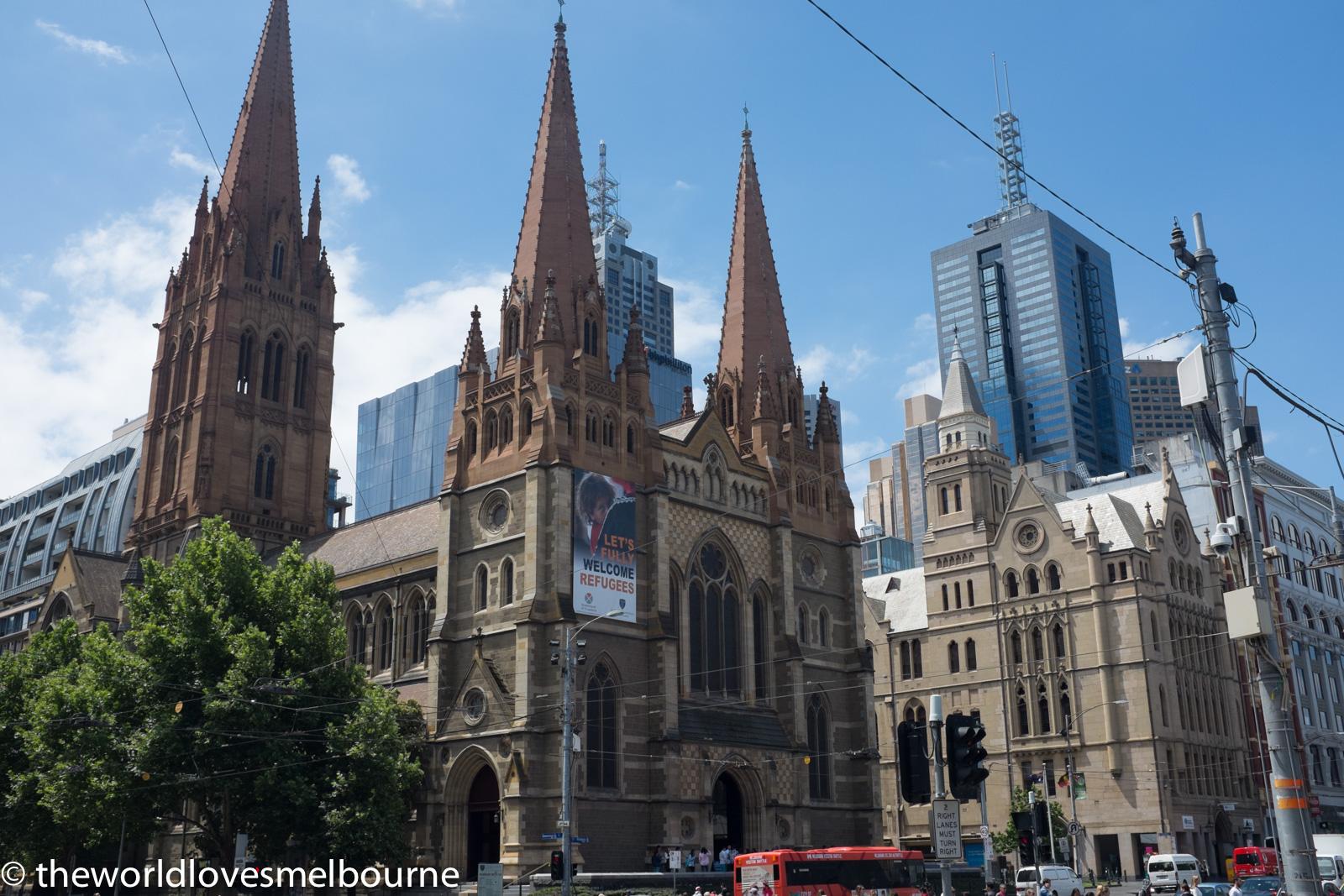
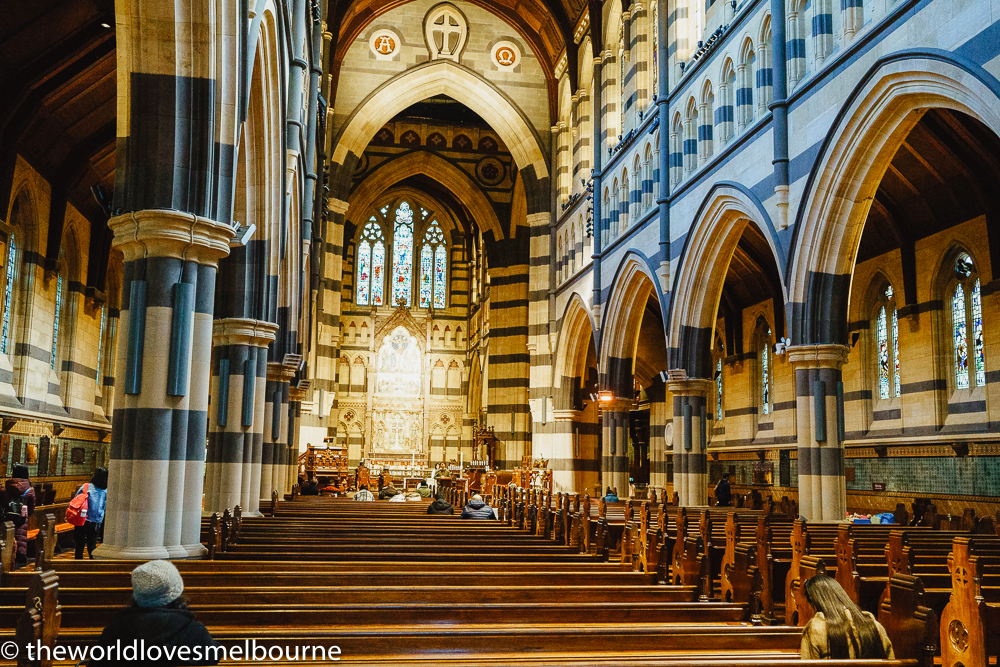
Iconic structure in the heart of the city. You’ll often find people here for quiet reflection and prayer during the day. At times you can hear the bells ringing which is a real treat. Inside the Cathedral is some interesting history. And from the steps is one of the best views in Melbourne!
http://www.stpaulscathedral.org.au/
42. Southgate
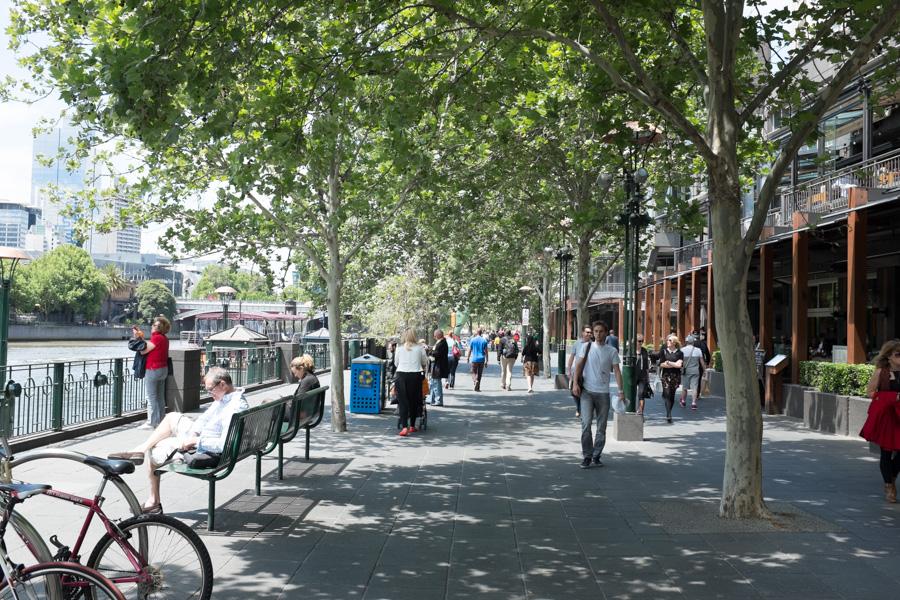
Southgate is a vibrant shopping, restaurant and entertainment precinct along the banks of the Yarra River. The centre is directly opposite Flinders Street Station. Enjoy a stroll and appreciate the ambience. Restaurants such as Pure South and Asado Argentinian Bar & Grill impress.
http://www.celebratesouthgate.com.au/
43. Australian Formula One Grand Prix
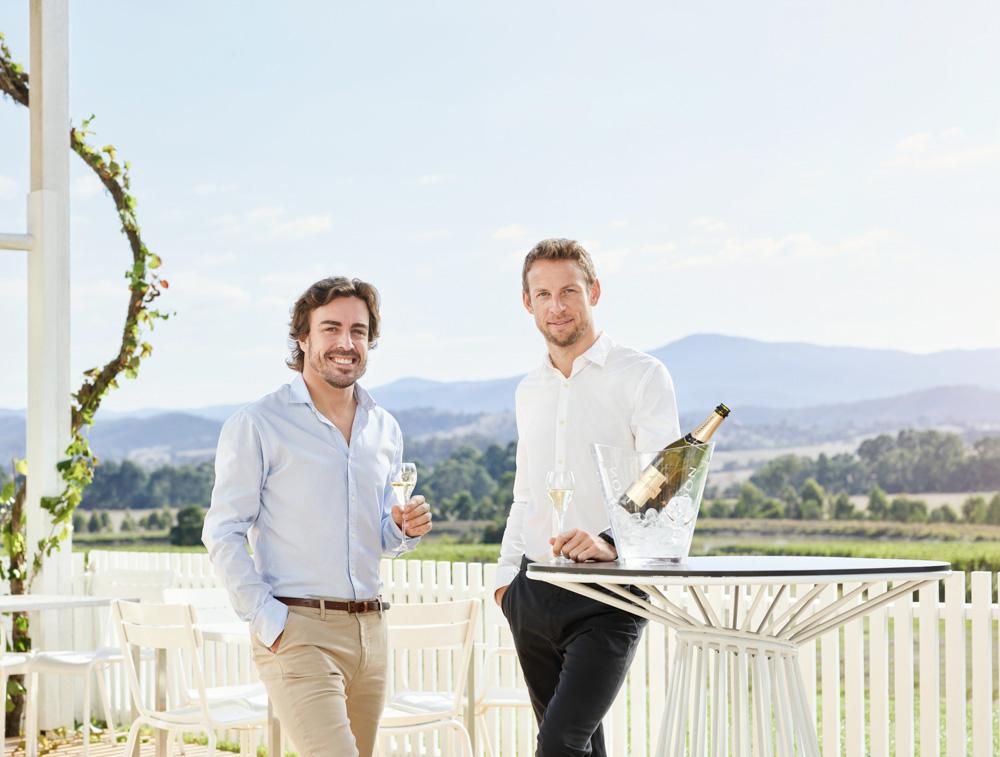
For racing enthusiasts the place to be is March in Melbourne! Watch the cars race around the Albert Park Circuit! Also great for after the race as the venue is close to the city! Image from article on Jenson Button and Fernando Alonso at Chandon Winery.
44. Cooks Cottage and Fitzroy Gardens
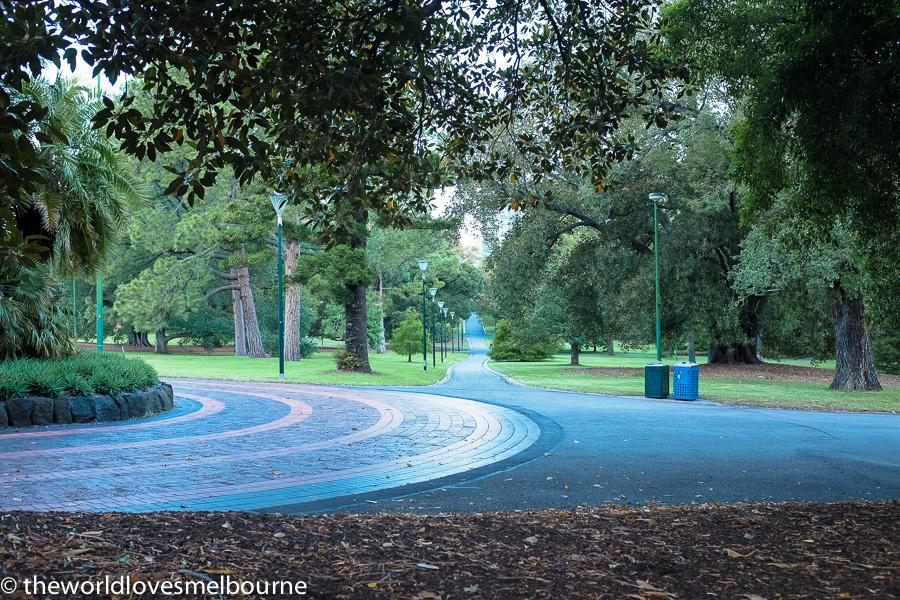
The Fitzroy Gardens are first class and it's worth just wandering around them and admiring the flower gardens, pathways, stately trees and lush lawns!
For history lovers check out Cook's Cottage. Captain Cook may have lived in the cottage during his boyhood. It was purchased and shipped to Melbourne and given as a gift to the people. It’s a cottage that commemorates Cook’s voyages. It’s a great historical site giving us an idea of life in the 1700’s. The Fitzroy Gardens are delightful and contain some excellent flower beds and impressive trees. It’s great just walking through the gardens. The location is great and in proximity to the rest of the city if you want to do more for the day!
http://www.thatsmelbourne.com.au/PlacesToGo/CooksCottage/Pages/Cookscottage.aspx
45. Grainger Museum
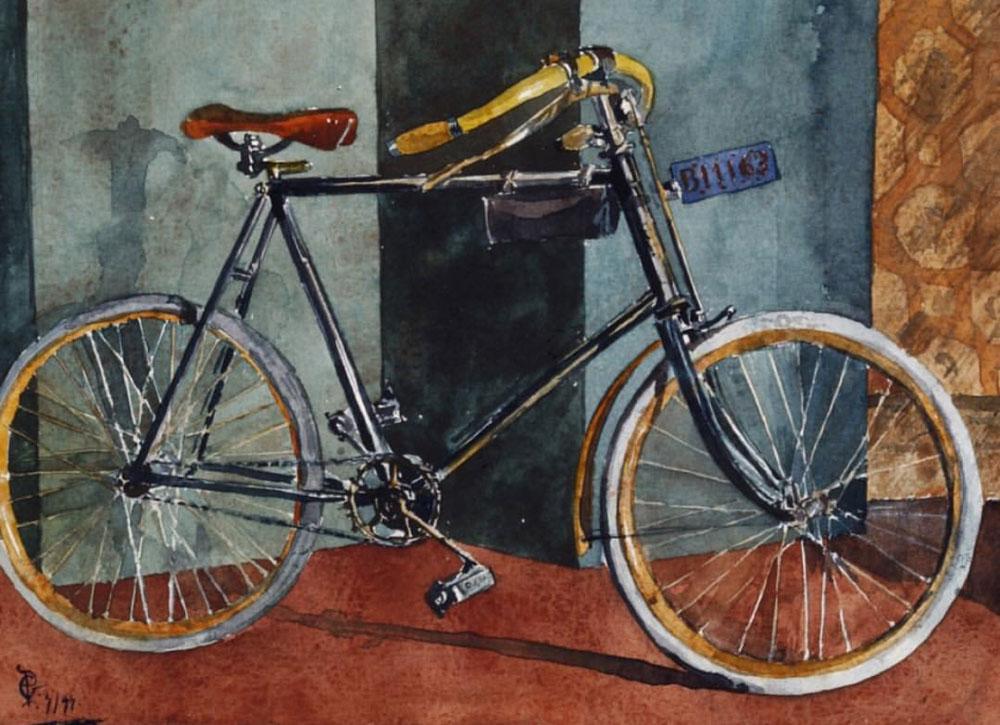
Percy Grainger was an internationally acclaimed Australian-American pianist and composer and a genius. A quirky eccentric genius! The Grainger Museum is a great piece of history. Percy is the guy who wrote “English Country Garden” and maybe surprisingly invented something of an early synthesizer. Fascinating for music lovers and history buffs! Image: @graingermuseum on Instagram.
http://www.grainger.unimelb.edu.au/
46. The Arts Centre
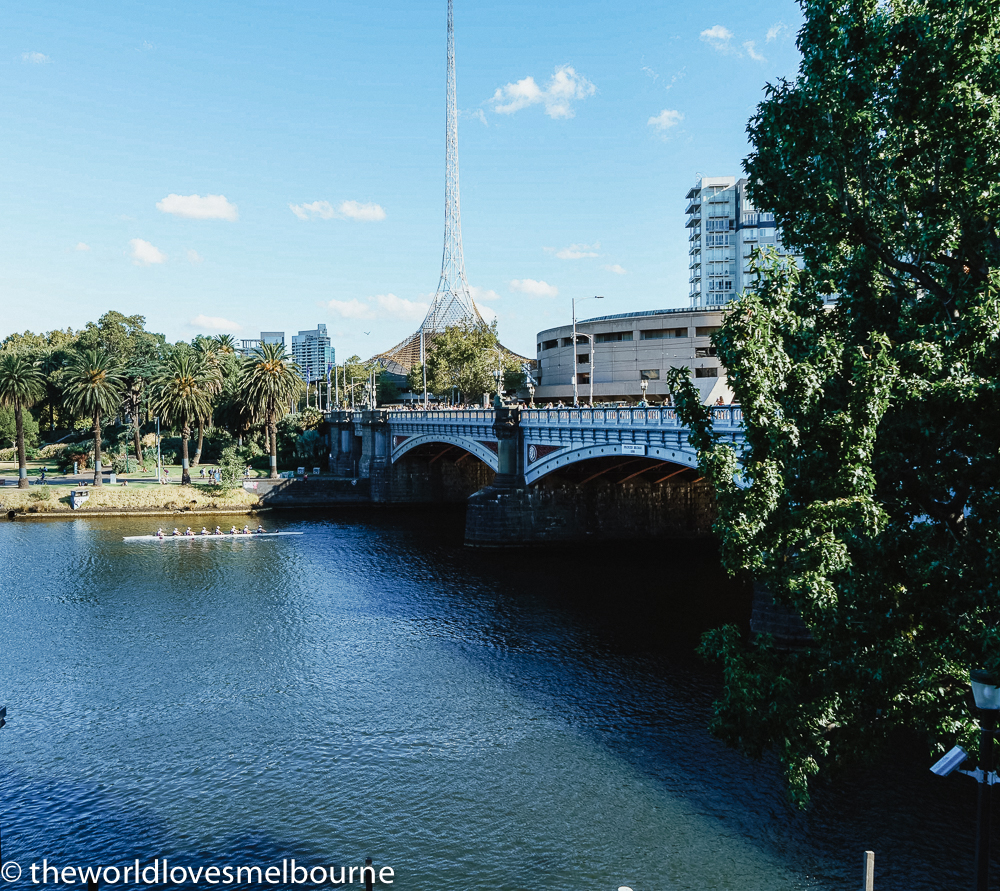
Melbourne has a great Arts Centre in Southbank! One of the most recognisable landmarks on the Melbourne landscape is the spire of The Arts Centre. This place is world class. It’s a great place to come and appreciate the performing arts! There are multiple theatres and arts spaces including Hamer Hall, State Theatre, The Playhouse, Fairfax Studio and Galleries. Also enjoy the great cafes/bar/restaurants. The Arts Centre also hosts many Australian and international performances and production companies. Great place to catch The Australian Ballet when in season.
The Sidney Myer Music Bowl is also an Arts Centre Melbourne venue and in 2009 celebrated its 50th anniversary.
http://www.artscentremelbourne.com.au/
47. Warrandyte and Warrandyte State Park
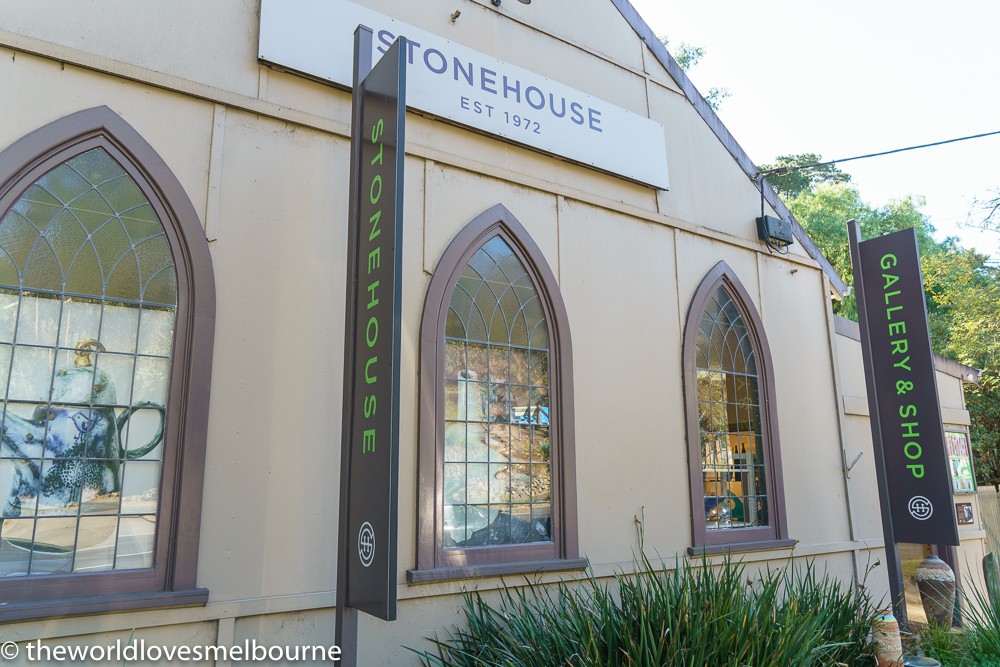
Great place to take children and for all to enjoy! A short drive out of Melbourne out to Warrandyte is worth the trip. Great cafes with playgrounds near the river, is popular with families. Check out the Warrandyte Bakery in Yarra Street and surrounding precinct by the river. Take your lunch to a nearby table or go down to the river and visit the ducks. There's a popular walk along the river here and it can get busy on a Sunday afternoon. Children seem to really enjoy this precinct. The park itself is the closest state park to the Melbourne CBD. It's fun to even stroll around Warrandyte town and visit some unique shops.
http://parkweb.vic.gov.au/explore/parks/warrandyte-state-park
48. Mornington Peninsul
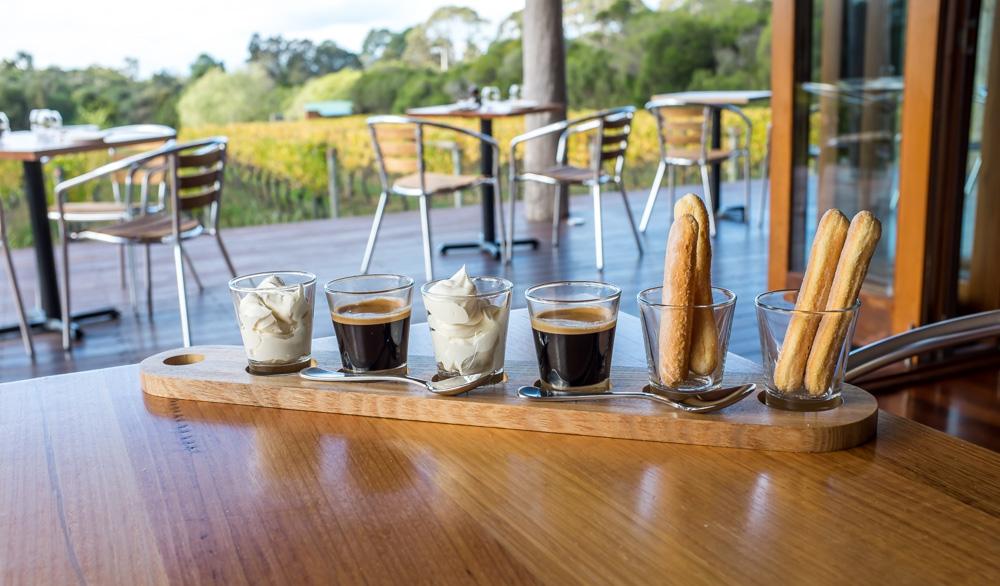
A great day trip is to visit the Mornington Peninsula! Check out the beaches! Enjoy the top class wineries. Drive all the way to Sorrento and walk the main street with awesome cafes and shops! Stop by on the beach at Sorrento! Head to Red Hill on the way back.
49. Parliament House
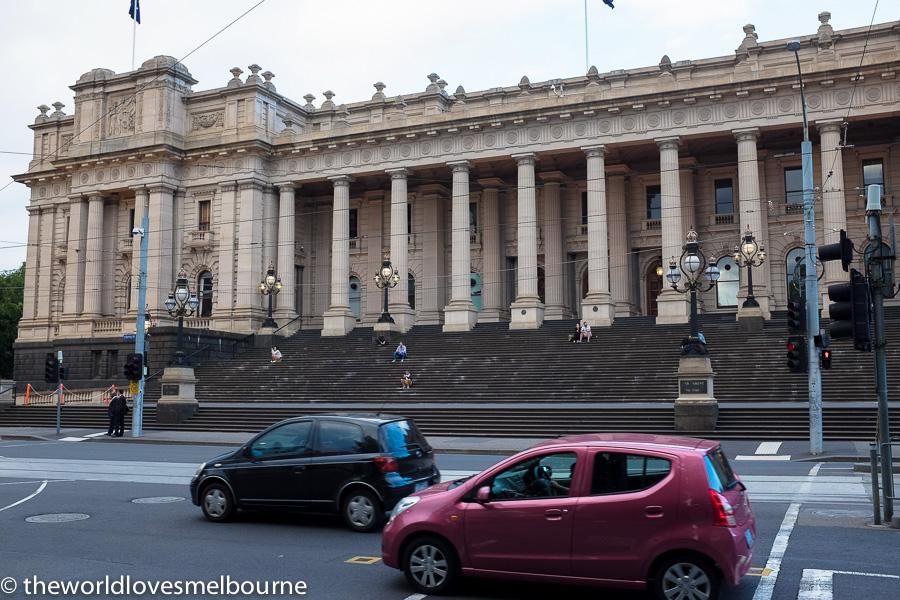
For those interested in architecture and politics! Go on a public tour! You may even get to sit in the Speakers Chair! Check out the Upper and Lower Houses.
Parliament House Melbourne is one of Australia's oldest and most architecturally distinguished public buildings. Building commenced in 1856 at the height of the gold rush and this is reflected in the lavish use of gold in the interior decoration.
http://www.parliament.vic.gov.au/
50. Melbourne Town Hall
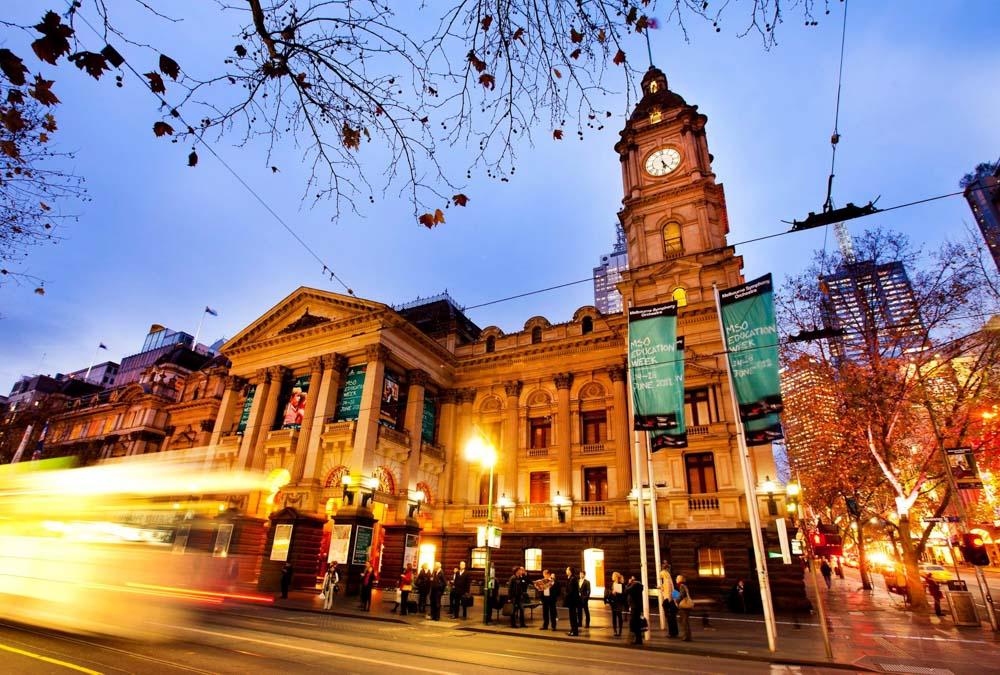
Iconic structure in Melbourne! Enjoy a free tour of this grand 19 th Century building. Check out the organ with 10,000 pipes. The nearby City Square is a great place to relax with a coffee! Image: Facebook (Open House promotion).